
US Bancorp stands as one of America's most respected regional banks, having grown from modest Midwest origins into the nation's fifth-largest commercial bank. With over $670 billion in assets and a presence across 26 states, US Bancorp has built a reputation for conservative management, strong financial performance, and exceptional operational efficiency.
The First National Bank of Cincinnati Foundation
Western Expansion and the US National Bank
US National Bank pioneered several innovations in regional banking:
- Early adoption of branch banking networks
- Development of specialized agricultural lending
- Investment in technology and operational efficiency
- Focus on fee-based services alongside traditional lending
The Formation of US Bancorp
US Bancorp was officially formed in 1968 through the merger of several regional banks, creating a bank holding company structure. The most significant founding institutions included:
- First National Bank of Cincinnati
- US National Bank of Oregon
- First National Bank of Minneapolis
- Various smaller regional banks across the Midwest
US Bancorp | Financial Data
IPO and Strategic Growth Through Acquisitions
Public Offering and Early Expansion
The early years as a public company focused on:
- Expanding branch networks in existing markets
- Investing in early computer systems and data processing
- Developing trust and investment services
- Building commercial lending capabilities
Major Acquisitions and Mergers
First Bank System Merger (1997):
This $9 billion merger created the foundation for the modern US Bancorp. First Bank System, based in Minneapolis, brought strong Midwest operations and a culture of operational excellence. The combined entity adopted the US Bancorp name and established Minneapolis as its headquarters.
Firstar Corporation Acquisition (2001):
The $21 billion acquisition of Firstar Corporation significantly expanded US Bancorp's presence in the Midwest, adding operations in Wisconsin, Illinois, Iowa, and other states. This deal created substantial cost synergies and strengthened the bank's position in key metropolitan markets.
Other Notable Acquisitions:
- Olympic Financial Group (2020) - $2.5 billion expansion into California
- MUFG Union Bank (2022) - $8 billion acquisition expanding West Coast presence
- State Street Bank operations (2010) - Enhanced trust and custody services
- Elavon payment processing (2019) - Strengthened merchant services capabilities
These acquisitions have consistently focused on markets with favorable demographics, economic growth potential, and opportunities for operational efficiency improvements.
Core Business Segments
1. Consumer and Business Banking
- Checking and savings accounts
- Credit cards and personal loans
- Mortgages and home equity lending
- Small business banking and lending
- Online and mobile banking platforms
2. Payment Services
- Elavon merchant processing services
- Corporate payment solutions
- Government payment services
- Prepaid card programs
- Digital payment platforms
3. Corporate and Commercial Banking
- Commercial lending and credit facilities
- Treasury management services
- Investment banking and capital markets
- Trade finance and international services
- Equipment financing and leasing
4. Wealth Management and Investment Services
- Private banking and trust services
- Investment management and advisory services
- Retirement plan services
- Institutional custody and administration
- Brokerage and investment products
5. Treasury and Corporate Support
Treasury operations focus on:
- Asset-liability management
- Investment securities portfolio management
- Funding and liquidity management
- Interest rate risk management
Leadership and Corporate Structure
Executive Leadership
Chief Executive Officer: Andy Cecere has served as CEO since 2017, having previously held leadership roles in risk management and consumer banking. Cecere has over 35 years of experience in banking and has emphasized digital transformation and operational efficiency during his tenure.
Chief Financial Officer: Terry Dolan serves as CFO, overseeing financial planning, investor relations, and corporate development. Dolan has been instrumental in managing the bank's capital allocation and acquisition integration processes.
Chief Risk Officer: The bank maintains a strong risk management culture with dedicated leadership overseeing credit risk, operational risk, and regulatory compliance.
Board of Directors
- Risk management and compliance oversight
- Audit and financial reporting
- Compensation and human resources
- Corporate governance and nominating
Organizational Structure
Financial Performance and Industry Position
Recent Financial Results
Key Financial Metrics (2023):
- Total assets: Approximately $670 billion
- Total revenue: Approximately $25 billion
- Net income: Approximately $7 billion
- Return on assets: Around 1.0%
- Return on equity: Approximately 14%
Revenue Composition:
- Net interest income: 60-65% of total revenue
- Fee-based income: 35-40% of total revenue
- Trading and investment income: 5-10% of total revenue
Efficiency and Profitability Metrics
- Efficiency ratio: Typically 50-55% (lower is better)
- Pre-provision net revenue margins: Above industry average
- Cost of deposits: Below industry average
- Credit loss rates: Consistently low across economic cycles
Peer Comparison
- Return on assets and equity
- Efficiency ratios
- Credit quality metrics
- Capital strength
- Dividend sustainability
Challenges and Strategic Opportunities
Current Industry Challenges
Interest Rate Environment: Rising interest rates can benefit net interest margins but may also slow loan growth and increase credit losses. The bank must balance asset-liability management with growth objectives.
Regulatory Compliance: Increasing regulatory requirements add operational costs and complexity. US Bancorp must invest in compliance infrastructure while maintaining operational efficiency.
Digital Disruption: Fintech companies and digital banks threaten traditional banking relationships. US Bancorp must continue investing in technology while maintaining cost discipline.
Credit Risk Management: Economic uncertainty requires careful monitoring of loan portfolios, particularly in commercial real estate and leveraged lending.
Strategic Opportunities
1. Digital Banking Leadership: The bank's investments in digital platforms and data analytics provide competitive advantages in customer acquisition and retention.
2. Payment Services Expansion: Growing electronic payment volumes and merchant services demand create opportunities for fee income growth.
3. Wealth Management Growth: An aging population and increasing wealth concentration create opportunities for trust and investment services expansion.
4. Geographic Expansion: Strategic acquisitions in attractive markets can drive growth while maintaining the bank's conservative culture.
5. ESG and Sustainable Finance: Growing demand for sustainable banking products creates opportunities for specialized lending and investment services.
Interesting Facts About US Bancorp
Operational Excellence
Several unique aspects highlight US Bancorp's distinctive position in American banking:
1. The "Walmart of Banking": Industry observers often compare US Bancorp to Walmart for its focus on operational efficiency and cost control. This approach has enabled the bank to maintain industry-leading efficiency ratios while growing its market share.
2. Technology Leadership: US Bancorp was among the first banks to invest heavily in centralized data processing and automated systems. This early technology adoption contributed to its operational efficiency advantages.
3. Corporate Culture: The bank's Minneapolis headquarters reflects its Midwest values of conservative management, customer service, and community involvement. This culture has been maintained through numerous acquisitions and leadership changes.
Branch Network and Market Presence
- Minnesota and Wisconsin (historical strongholds)
- California (major growth market)
- Ohio and Illinois (Midwest expansion)
- Oregon and Washington (West Coast presence)
- Colorado and Utah (Mountain West operations)
Community Banking Heritage
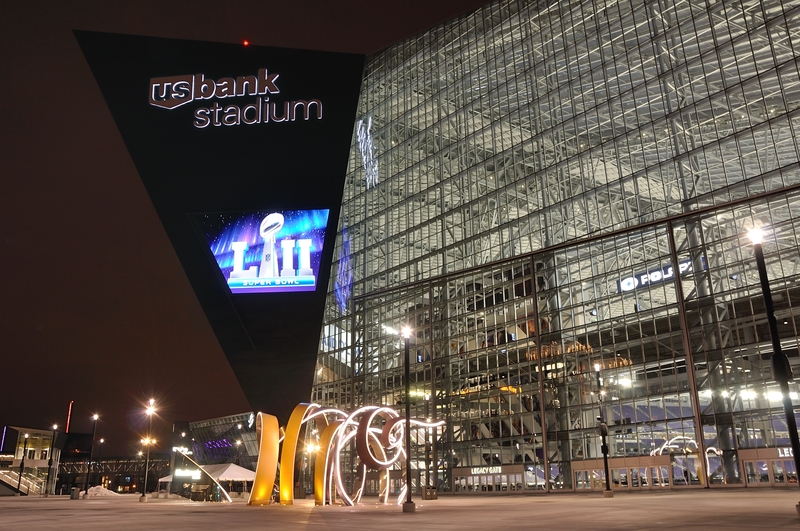
- Strong relationships with local businesses and organizations
- Significant charitable giving and community development investments
- Employee volunteer programs and civic engagement
- Support for small business and affordable housing initiatives