
Nowadays, many of us take trading stocks on the stock market for granted. It’s as easy as flipping open your laptop or even pulling out your smartphone. But the investing world has come a long way with stock markets dating all the way back to the 17th Century. While most of us think of Wall Street as the oldest stock market we know, the earliest examples were established in Europe. Here’s a brief look at the history of the global stock markets.
Dutch East India Company

It is important to note that the Dutch East India Company had a near monopoly at the time. There were also several different East India Companies that all worked together. This meant that businessmen or investors could buy shares of the company that would pay dividends from their exploration voyages. The company would then take the invested money to build up a larger fleet of ships. The returns on these stocks made people fortunes as the dividends alone more than paid for their investments. Other investors wanted in on this market and it prompted other companies to issue their own shares.
While you wouldn’t see a stock market with only one company in it in this day and age, it is easy to see why the Dutch East India Company created the idea for the modern day stock market. Trading publicly is one of the main ways in which companies raise capital and whether it is a fleet of ships or a production facility to make microchips or electric vehicles, the same principles can apply hundreds of years later.
The British East India Company
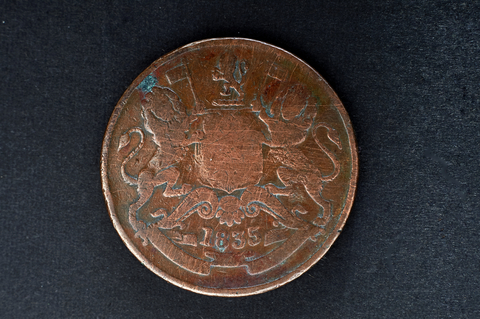
The Dutch were not the only country to use the company name. The British East India company was established in 1600. It was a fraction of the size of the Dutch East India Company, which is widely considered the largest company in history. The British company made much of its revenues through selling spices and teas that it would bring back from India and other exotic locations. It was even known to issue certificates that investors could buy that would raise capital and fund the expeditions to India.
First Stock Markets in America

It wasn’t until more than a century later when the idea of stocks and bonds came to the United States. In the late 1700s, American merchants came together and formed the Buttonwood Tree Agreement. This was the first recorded version of a regulated trading system, which included brokers, commissions, and trading limitations. This document would be the foundation of what would eventually become the New York Stock Exchange.
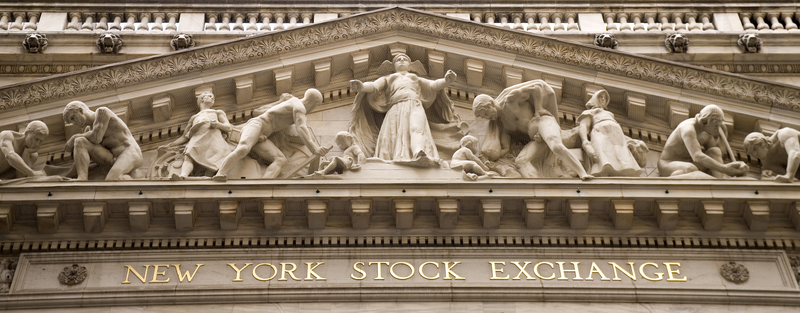
It wasn’t until more than a century later when the idea of stocks and bonds came to the United States. In the late 1700s, American merchants came together and formed the Buttonwood Tree Agreement. This was the first recorded version of a regulated trading system, which included brokers, commissions, and trading limitations. This document would be the foundation of what would eventually become the New York Stock Exchange.
Asian markets
Stock Market Cycles
Stock markets expand in bull markets and contract in bear markets. It is typically mirroring what happens in the broader economy. As we saw with the South Sea Company and the Dutch East India Company, bubbles existed way back in the 1600s. The ebbs and flows have existed throughout the history of the stock markets around the world.
From the tulip market crash in the Dutch economy to stock market crashes like the Great Depression, the dot com bubble, or the COVID-19 crash, it is natural to see these pullbacks in asset prices. Market crashes don’t happen often, but they happen frequently enough to remind us of what happens when prices get too high.
Where did the Idea of a Stock Come From?
The Move to Electronic Stock Markets
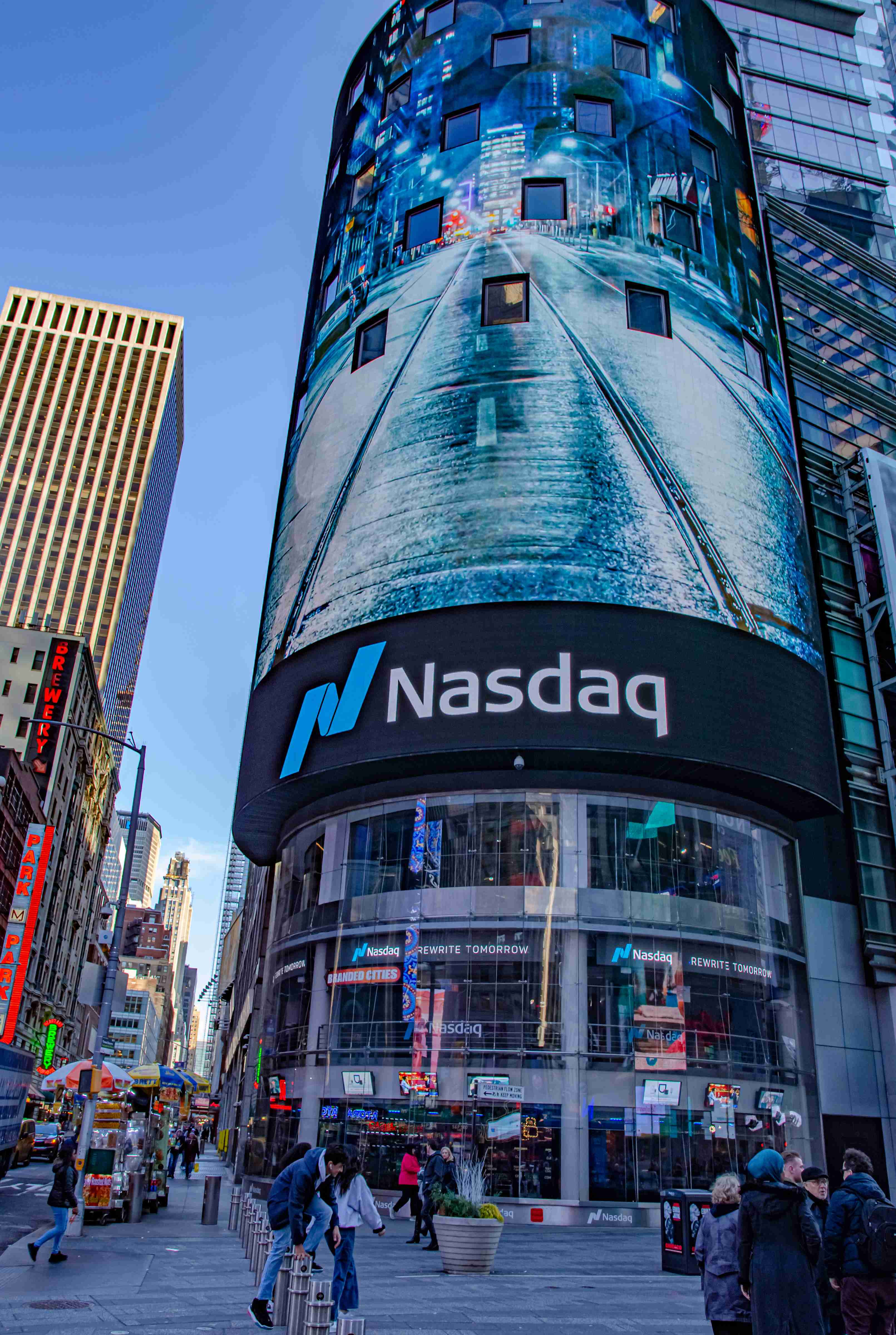
As technology advances, it should be no surprise that much of the world’s stock trading has shifted to a digital experience. While most markets worldwide still have a trading floor, several have moved to a completely electronic market. The first of these electronic markets was the NASDAQ exchange in the United States which opened in 1971. So if you happen to see a scene in a movie with the classic stock exchange and hundreds of stock brokers making trades, you’re looking at the New York Stock Exchange floor.
Will other stock exchanges follow suit in moving to an electronic system? In many markets, there is still a strong demand for human-led trading. Despite this, most stock exchanges around the world have implemented electronic trading systems and are run more by technology these days than human brokers.
What Are Over-the-Counter Stock Markets?
These days, most brokerages allow retail investors to have access to OTC stocks directly through the online platform. There are limitations to trading OTC stocks though. Market makers can withdraw their liquidity from an OTC transaction at any time. This can disrupt transactions that are being made and can have dramatic impacts on the price of the underlying asset. This is why many traders will steer clear of the OTC markets. There has also been a long history of fraudulent activity with OTC stocks as the markets are largely unregulated in comparison to the NYSE or NASDAQ.
Introduction of Crypto Exchange
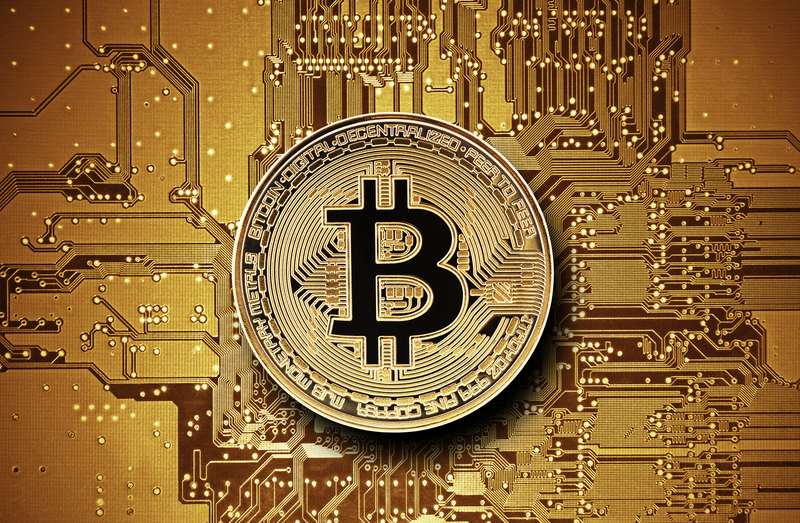
In 2024, no discussion about asset markets is complete without mention of crypto exchanges. Cryptocurrencies are digital assets that are traded over the internet, mostly on centralized exchanges like Coinbase or Binance. The difference between crypto markets and equities markets is that cryptos trade 24 hours per day and seven days per week, with no break. This has created crypto-specific phenomena like different trading styles and strategies at different times of the day. American crypto traders may be more aggressive than Asian traders, indicating that bigger moves will come during the American session.

The first known crypto exchange was opened in 2010 and was called Bitcoin Market. This exchange allowed users to send fiat currency through PayPal in order to directly buy Bitcoin. Another exchange that launched in 2010 is well-known for more nefarious reasons. The Mt. Gox exchange was founded by Jed McCaleb who would eventually go on to co-found both Ripple and Stellar. The peculiar name for the site stands for Magic the Gathering Online Exchange. Mt. Gox was originally started as an online forum for trading Magic the Gathering cards but was later converted to a Bitcoin exchange.
Will There Ever Be a New Stock Market?
If there was a new stock market opened in the future, it would likely be an electronic one. This is just the way of the future and since most stock markets use electronic trading systems already, we can expect them to be similar to crypto exchanges.
What are the Largest Stock Markets in the World?
1. New York Stock Exchange
2. NASDAQ Exchange
3. Shanghai Stock Exchange
4. Euronext Exchange
5. Hong Kong Stock Exchange
6. Tokyo Stock Exchange
7. Shenzhen Stock Exchange
8. London Stock Exchange
9. Toronto Stock Exchange
10. Bombay Stock Exchange
Conclusion: History of the Stock Markets
So as you can see, while the NYSE and the NASDAQ make most of the headlines these days, global stock markets far precede their existence in the United States. In fact, the idea of the modern day stock market precedes even the birth of the United States as a country. Centuries ago in Europe, the groundwork was laid by wealthy merchants and ambitious businessmen. The rest , as they say, is history.