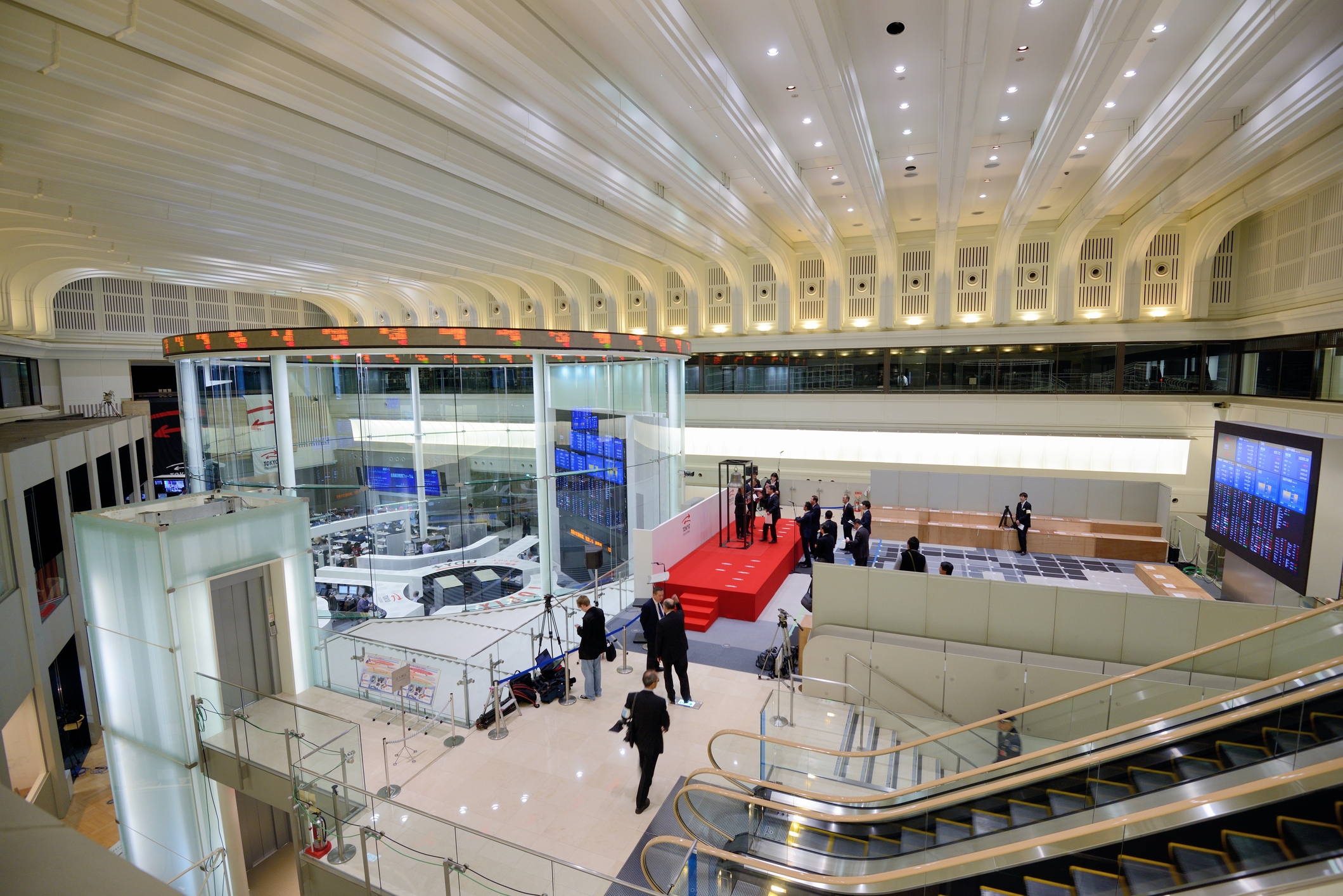
Founding and Early History of the Tokyo Stock Exchange
The Birth of Japanese Modern Finance (1878-1900)
Early Growth and Development (1900-1945)
Post-War Revival and Modernization
Rebuilding from the Ashes (1945-1960)
The Economic Miracle Era (1960-1990)
The exchange introduced several technological innovations during this period:
- 1973: Implemented computerized trading systems
- 1982: Launched the first electronic trading floor in Asia
- 1985: Introduced foreign currency-denominated bonds
The Bubble Economy and Its Aftermath
Key Milestones and Developments
Major Structural Changes
Several pivotal events shaped the modern TSE:
- 1999: The exchange adopted a holding company structure, improving governance and operational efficiency.
- 2005: Fully electronic trading replaced the traditional floor-based system, marking the end of an era for the iconic trading floor scenes.
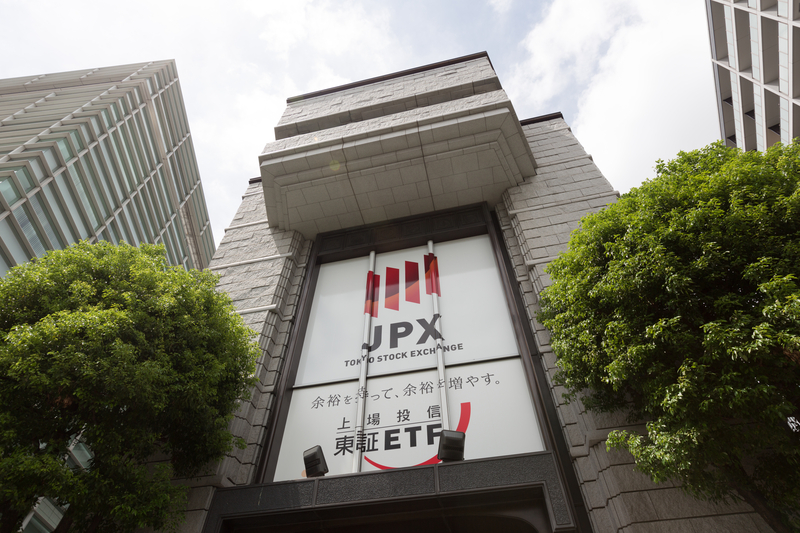
- 2013: The TSE merged with the Osaka Securities Exchange, creating the Japan Exchange Group (JPX), consolidating Japan's major financial markets under one umbrella.
Technological Innovations
The TSE has consistently led in trading technology adoption:
- 2010: Launched the arrowhead trading system, one of the world's fastest
- 2019: Implemented next-generation trading infrastructure
- 2022: Restructured market segments to improve liquidity and international appeal
International Expansion
The TSE has actively pursued international growth:
- Partnerships with exchanges in London, New York, and Singapore
- Introduction of foreign company listings
- Development of products for international investors
Structure and Operations of the TSE
Market Segments
The TSE operates several distinct market segments:
- Prime Market: The top-tier segment for large companies meeting strict corporate governance and financial standards.
- Standard Market: The main market for established companies with solid business foundations.
- Growth Market: Designed for emerging companies with high growth potential.
- TOKYO PRO Market: A professional market for institutional investors and sophisticated individual investors.
Trading Hours and Sessions
The TSE operates Monday through Friday with two distinct sessions:
- Morning Session: 9:00 AM to 11:30 AM (Japan Standard Time)
- Afternoon Session: 12:30 PM to 3:00 PM (Japan Standard Time)
This structure, with a lunch break between sessions, reflects Japanese business culture and provides time for order adjustment and market analysis.
Trading Technology
Major Companies Listed on the TSE
Technology Giants
The TSE hosts some of the world's most recognizable technology companies:
- Toyota Motor Corporation: The world's largest automaker by production volume, representing Japan's manufacturing excellence.
- Sony Group Corporation: A global leader in electronics, entertainment, and gaming.
- SoftBank Group: A major telecommunications and investment conglomerate with significant global technology investments.
- Nintendo: The iconic video game company known for Mario, Zelda, and innovative gaming hardware.
Financial Institutions
Japan's major banks and financial institutions form a significant portion of TSE listings:
- Mitsubishi UFJ Financial Group: One of the world's largest banks by assets
- Sumitomo Mitsui Financial Group: A major Japanese banking conglomerate
- Mizuho Financial Group: A leading provider of comprehensive financial services
Industrial and Manufacturing
Japan's industrial strength is well-represented on the TSE:
- Mitsubishi Heavy Industries: A diversified manufacturer of machinery and equipment
- Hitachi: A global technology and infrastructure company
- Panasonic: A major electronics and home appliance manufacturer
Indices and Market Performance
The Nikkei 225
TOPIX (Tokyo Stock Price Index)
Sector-Specific Indices
The TSE calculates numerous sector-specific indices, allowing investors to track performance in areas such as:
- Technology and telecommunications
- Financial services
- Manufacturing and industrial
- Consumer goods and services
Ownership Structure of the TSE
Japan Exchange Group (JPX)
Shareholder Composition
JPX's shareholders include:
- Institutional investors (pension funds, insurance companies)
- Individual retail investors
- Financial institutions
- Foreign investors
The distributed ownership structure prevents any single entity from controlling the exchange, maintaining its independence and integrity as a market operator.
Regulatory Framework and Governance
Financial Services Agency (FSA)
Self-Regulatory Functions
The TSE also performs self-regulatory functions, including:
- Market surveillance and monitoring
- Listed company compliance oversight
- Trading rule enforcement
- Market maker supervision
International Regulatory Cooperation
The TSE actively participates in international regulatory initiatives, working with bodies such as:
- International Organization of Securities Commissions (IOSCO)
- World Federation of Exchanges (WFE)
- Asia-Pacific Economic Cooperation (APEC)
The TSE's Role in the Japanese Economy
Capital Formation
Economic Barometer
International Gateway
Supporting Innovation
Challenges and Opportunities
Current Challenges
The TSE faces several significant challenges:
- Aging Population: Japan's demographic shift affects both investor behavior and company performance.
- Low Interest Rates: Prolonged low interest rates impact financial sector profitability and investment returns.
- Global Competition: Competition from other Asian exchanges and international markets for listings and trading volume.
- Corporate Governance: Ongoing efforts to improve corporate governance standards and attract foreign investment.
Future Opportunities
Despite challenges, the TSE sees numerous opportunities:
- Digital Transformation: Leveraging technology to improve trading efficiency and market access.
- ESG Investing: Growing interest in environmental, social, and governance factors presents new market opportunities.
- Fintech Innovation: Supporting financial technology companies and digital transformation initiatives.
- Regional Integration: Strengthening ties with other Asian markets and exchanges.