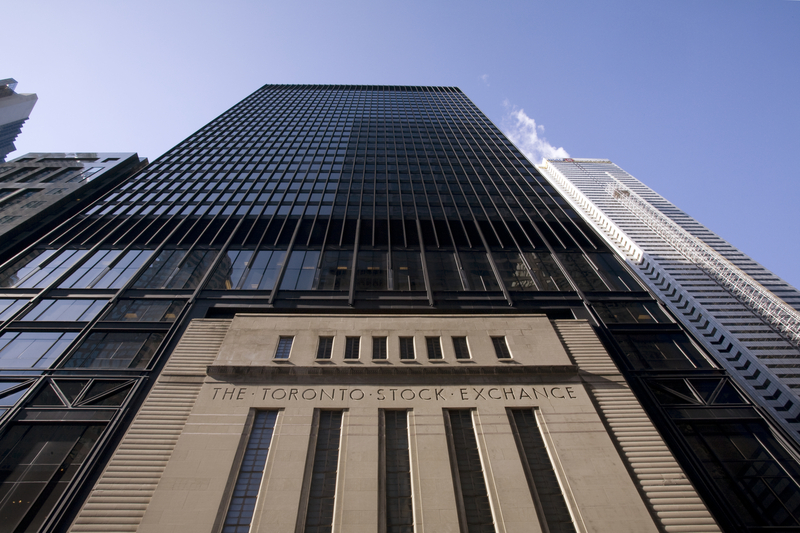
Toronto Stock Exchange: The Heart of Canadian Finance

This comprehensive guide explores the rich history, structure, and significance of the Toronto Stock Exchange. From its humble beginnings in 1861 to its current status as a global financial powerhouse, we'll examine how the TSX has shaped Canada's economic landscape and continues to drive innovation in capital markets.

banner
Article Bullets

History of the Toronto Stock Exchange

The Toronto Stock Exchange (TSX) stands as Canada's premier stock exchange and one of the world's largest financial markets. Home to over 1,500 companies with a combined market capitalization exceeding $3 trillion, the TSX serves as the backbone of Canadian capital markets and plays a crucial role in the global economy.


The Early Years (1861-1900)

The Toronto Stock Exchange was founded on October 25, 1861, by 24 businessmen who gathered to formalize securities trading in Toronto. Initially called the Toronto Stock and Mining Exchange, it began operations in a small room above a barbershop on King Street East.
The exchange's early years were marked by modest trading volumes and a focus on local mining and railway securities. By 1878, the organization had adopted its current name, the Toronto Stock Exchange, reflecting its growing importance in Canadian finance.

Growth and Expansion (1900-1950)

The early 20th century brought significant growth to the TSX. The discovery of gold and silver in northern Ontario created a mining boom that attracted investors from around the world. The exchange moved to larger facilities multiple times to accommodate increasing trading activity.
The 1920s represented a golden age for the TSX, with trading volumes reaching unprecedented levels. However, like markets worldwide, the TSX was severely impacted by the Great Depression of the 1930s. Despite these challenges, the exchange continued to evolve and adapt.

Modernization Era (1950-2000)

The post-war period ushered in an era of modernization and technological advancement. In 1977, the TSX introduced the Computer Assisted Trading System (CATS), making it one of the first fully electronic stock exchanges in the world. This technological leap provided faster execution times and improved market efficiency.
The 1980s and 1990s saw significant deregulation and the introduction of new financial instruments. The TSX also expanded its international presence, attracting foreign companies and investors to Canadian markets.

Key Milestones in TSX History


Demutualization and Public Listing

One of the most significant events in TSX history occurred in 2000 when the exchange underwent demutualization. This process converted the TSX from a member-owned organization to a for-profit corporation. In 2002, TSX Group Inc. became the first exchange in North America to list its own shares publicly.

Major Acquisitions and Growth

The TSX has grown through strategic acquisitions and mergers:

  • 2001: Acquired the Canadian Venture Exchange (CDNX), creating TSX Venture Exchange for smaller companies
  • 2008: Launched TSX Trust, expanding into transfer agency services
  • 2012: Acquired Shorcan Brokers Limited, strengthening fixed-income trading capabilities

TMX Group Formation

In 2008, TSX Group merged with the Montreal Exchange to form TMX Group Limited. This merger created a more comprehensive Canadian capital markets organization, combining equity and derivatives trading under one umbrella.

Failed Merger Attempts

The TSX has been involved in several high-profile merger discussions:

  • 2011: A proposed merger with the London Stock Exchange was ultimately rejected by TMX Group shareholders
  • 2011: Maple Group Acquisition Corporation's hostile takeover bid was withdrawn after regulatory challenges

TSX Structure and Operations

Trading Hours and Sessions

The Toronto Stock Exchange operates Monday through Friday, with trading sessions from 9:30 AM to 4:00 PM Eastern Time. The exchange also offers extended trading hours for certain securities, allowing investors greater flexibility in their trading strategies.

Market Segments

The TSX is divided into several market segments:

  • TSX: The main board for established companies meeting strict listing requirements
  • TSX Venture Exchange: Designed for emerging companies and venture capital markets
  • TSX Trust: Provides transfer agency and other corporate trust services

Trading Technology

The TSX utilizes advanced trading technology to ensure fair, efficient, and transparent markets. The exchange's trading system can handle millions of transactions per day with minimal latency, supporting various order types and trading strategies.
Toronto Financial District Elephants

Who Owns the Toronto Stock Exchange?

The Toronto Stock Exchange is owned by TMX Group Limited, a publicly traded company listed on the TSX under the symbol "X." TMX Group's shareholders include institutional investors, individual shareholders, and employee stock ownership plans.

As of recent filings, major shareholders include:

  • Various pension funds and institutional investors
  • Individual retail investors
  • Employee stock ownership plans
  • International investment funds

The distributed ownership structure ensures that no single entity controls the exchange, maintaining its independence and integrity as a market operator.

Major Companies and Sectors on the TSX

Leading Companies by Market Cap

The TSX is home to some of Canada's largest and most influential companies:

  • Royal Bank of Canada (RBC): One of North America's leading financial institutions
  • Shopify: A global e-commerce platform company
  • Canadian National Railway: A major transportation and logistics company
  • Brookfield Asset Management: A global alternative asset manager

Key Sectors

The TSX represents a diverse range of industries:

1. Financial Services

Canadian banks dominate the financial sector, with the "Big Six" banks representing a significant portion of the exchange's market capitalization.


2. Natural Resources

Canada's abundant natural resources are well-represented on the TSX, including:

  • Gold and mining companies
  • Oil and gas producers
  • Forestry and paper companies

3. Technology

The technology sector has grown dramatically, with companies like Shopify leading the charge in e-commerce and fintech innovation.

Healthcare and Biotechnology

Emerging sectors include healthcare technology, biotechnology, and pharmaceutical companies.

The TSX's Role in the Canadian Economy

Capital Formation

The TSX serves as a crucial mechanism for capital formation in Canada. Companies raise billions of dollars annually through initial public offerings (IPOs) and secondary offerings, funding expansion, research and development, and job creation.

Economic Indicator

TSX performance often serves as a barometer for the Canadian economy. The S&P/TSX Composite Index tracks the performance of the largest companies on the exchange and is widely used by investors and economists to gauge market sentiment and economic health.

International Gateway

The TSX provides international investors with access to Canadian markets and serves as a gateway for Canadian companies seeking global capital. This international connectivity strengthens Canada's position in the global economy.

How to Invest in TSX-Listed Companies


Getting Started

Investing in TSX-listed companies requires:

1. Brokerage Account: Open an account with a licensed broker offering TSX access

2. Research: Conduct thorough research on companies and sectors of interest

3. Funding: Deposit funds into your brokerage account

4. Trading: Place buy and sell orders through your broker's platform


Investment Options

Investors can access TSX-listed companies through various methods:

  • Individual Stocks: Direct ownership of company shares
  • Exchange-Traded Funds (ETFs): Diversified exposure to multiple TSX companies
  • Mutual Funds: Professionally managed portfolios of TSX securities
  • Index Funds: Passive investment tracking TSX indices

Considerations for International Investors

Foreign investors should consider:

  • Currency exchange rates (CAD/USD and other currencies)
  • Tax implications in their home country
  • Regulatory differences between jurisdictions
  • Withholding taxes on dividends

Interesting Facts About the Toronto Stock Exchange


Global Rankings

The TSX consistently ranks among the world's top 10 stock exchanges by market capitalization, competing with exchanges in New York, London, and Tokyo.

Mining Capital

Toronto is often called the "mining capital of the world," with more mining companies listed on the TSX than any other exchange globally.

Technology Pioneer

The TSX was a technology pioneer, being among the first exchanges to implement fully electronic trading systems in the 1970s.

Diverse Listings

The exchange hosts companies from over 20 countries, making it one of the most internationally diverse exchanges in North America.

Trading Volume

On average, the TSX handles over 200 million shares traded daily, with peak days exceeding 500 million shares.

Resources for Further Research


Official Sources

  • TMX Group Website: Comprehensive information about the TSX, including market data, company listings, and investor resources
  • TSX Company Directory: Complete listing of all companies traded on the exchange
  • Market Data Services: Real-time and historical market data

Regulatory Information

  • Canadian Securities Administrators (CSA): Regulatory framework governing Canadian securities markets
  • Ontario Securities Commission (OSC): Primary regulator for the TSX
  • Investment Industry Regulatory Organization of Canada (IIROC): Self-regulatory organization overseeing investment dealers

Research and Analysis

  • Financial newspapers and websites: Globe and Mail, Financial Post, BNN Bloomberg
  • Investment research firms: Morningstar, Thomson Reuters, Bloomberg
  • Academic resources: University business schools and finance departments

The TSX as Canada's Financial Foundation

The Toronto Stock Exchange has evolved from a small trading room above a barbershop into one of the world's most important financial markets. Its journey reflects Canada's economic growth and transformation over more than 160 years.
As Canada continues to develop its position in the global economy, the TSX remains central to the nation's financial infrastructure. The exchange's commitment to innovation, transparency, and market integrity ensures its continued relevance in an increasingly competitive global marketplace.
For investors, the TSX offers access to a diverse range of companies representing both traditional Canadian strengths and emerging growth sectors. Whether you're interested in established financial institutions, resource companies, or innovative technology firms, the Toronto Stock Exchange provides a gateway to Canadian capital markets.
The TSX's role extends beyond simple trading; it serves as a catalyst for economic growth, innovation, and job creation across Canada. As the exchange continues to evolve and adapt to changing market conditions, it remains a cornerstone of Canadian finance and a vital link between Canadian businesses and global capital markets.

No Financial or Investment Advice: The content on this Site is for informational purposes only, you should not construe any such information or other material as legal, tax, investment, financial, or other advice. Nothing contained on our Site constitutes a solicitation, recommendation, endorsement, or offer by Smartvest Securities to buy or sell securities or other financial instruments in this or in in any other jurisdiction in which such solicitation or offer would be unlawful under the securities laws of such jurisdiction. Nothing in the Site constitutes professional and/or financial advice, nor does any information on the Site constitute a comprehensive or complete statement of the matters discussed or the law relating thereto. Smartvest Securities is not a fiduciary by virtue of any person’s or entity’s use of or access to the Site. You alone assume the sole responsibility of evaluating the merits and risks associated with the use of any information or other content on the Site before making any decisions based on such information or other content. In exchange for using the Site, you agree not to hold Smartvest Securities, or its affiliates liable for any possible claim for damages arising from any decision you make based on information or other content made available to you through the Site.