The Rich Tapestry of Bank of America's History

In the bustling corridors of modern banking institutions stands a giant—a behemoth that's weathered the tides of economic shifts and meandered through the pathways of American financial history.

banner
Article Bullets

That giant is none other than Bank of America, a bank whose legacy spans back to the very foundation of the American economy.

Here, we're about to untangle the tale of Bank of America's ascent from the humble beginnings in 1904 to its current towering presence in the global financial market. Strap in, as we traverse through the decades, unraveling the secrets behind one of America's most iconic banks and dissecting the maneuvers that have kept it at the forefront of the industry.

The Company

First and foremost, it's pivotal to understand that the Bank of America Corporation goes beyond its renowned banking services—it's a conglomerate that encompasses a vast expanse of financial products and services. With divisions dedicated to wealth management, investment banking, and retail banking, it is an omnipresent entity in the lives of millions of Americans and beyond.

At its helm today, Bank of America is led by Chairman and CEO Brian Moynihan, whose steady hand guides the bank through the uncharted waters of the 21st century's financial landscapes.

History and Founders

banner

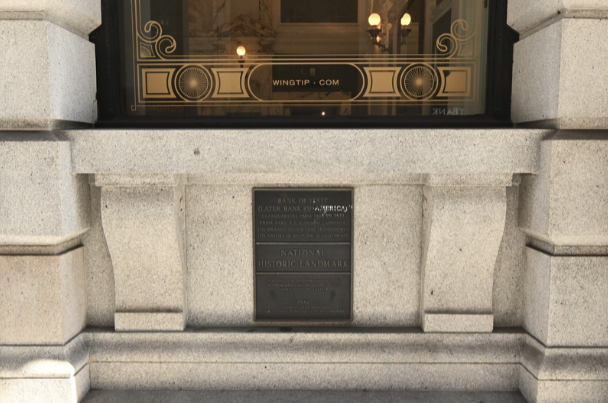
The origin story of Bank of America is deeply woven into the fabric of American financial history, beginning with its founder, Amadeo Pietro Giannini. Giannini, an innovator and visionary in his own right, launched the Bank of Italy in San Francisco in 1904. His aim was nothing short of revolutionary—making financial services accessible to the common man, a stark contrast to the prevailing banking practices that catered predominantly to the affluent.

Giannini’s pioneering approach to banking was put to the test following the catastrophic 1906 San Francisco earthquake. When many banks shuttered their vaults, Giannini set up a makeshift bank on the docks, using a plank over two barrels and made loans to local residents based on a handshake. This act not only helped rebuild the city but also cemented his reputation as a banker for the people.Giannini’s pioneering approach to banking was put to the test following the catastrophic 1906 San Francisco earthquake. When many banks shuttered their vaults, Giannini set up a makeshift bank on the docks, using a plank over two barrels and made loans to local residents based on a handshake. This act not only helped rebuild the city but also cemented his reputation as a banker for the people.
banner

Over the following decades, Giannini’s Bank of Italy underwent numerous transformations, expansions, and mergers. It was in 1928 that it merged with Bank of America, Los Angeles, and eventually adopted the name Bank of America in 1930. Under Giannini’s stewardship, Bank of America grew into one of the largest financial institutions in the United States, championing the cause of small businesses and individual bank account holders alike.

This ethos of accessibility and customer-centric service has continued to define Bank of America’s operations through the 20th and into the 21st century. Its history is not without its share of challenges, including navigating the choppy waters of financial crises, stringent regulatory environments, and the digital transformation of banking services. Yet, Bank of America has remained a resilient force, adapting and evolving in response to the changing demands of the financial world.

Mergers and Acquisition

banner

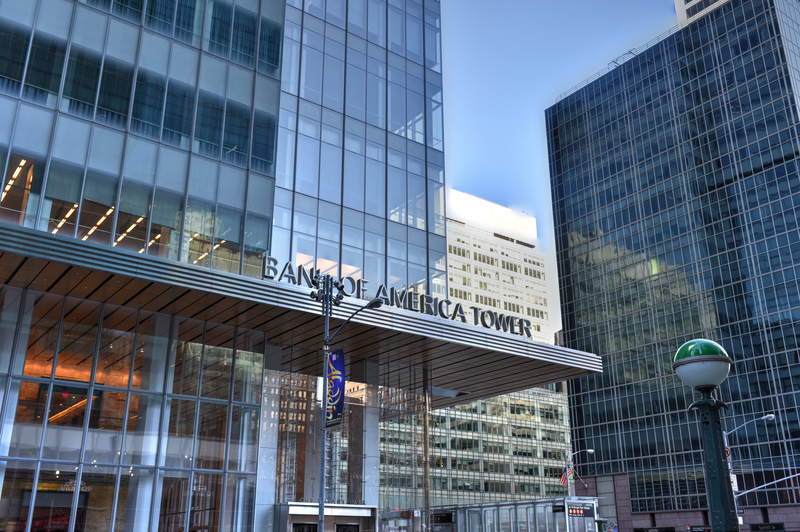
The trajectory of Bank of America's growth is significantly marked by strategic mergers and acquisitions, a testament to its evolution and expansion strategy within the financial industry. Notably, its merger in 1998 with NationsBank was pivotal, transforming it into one of the largest banking institutions in the United States. This merger heralded a new era, not just for Bank of America, but for American banking, setting new benchmarks for the scale and scope of banking operations.
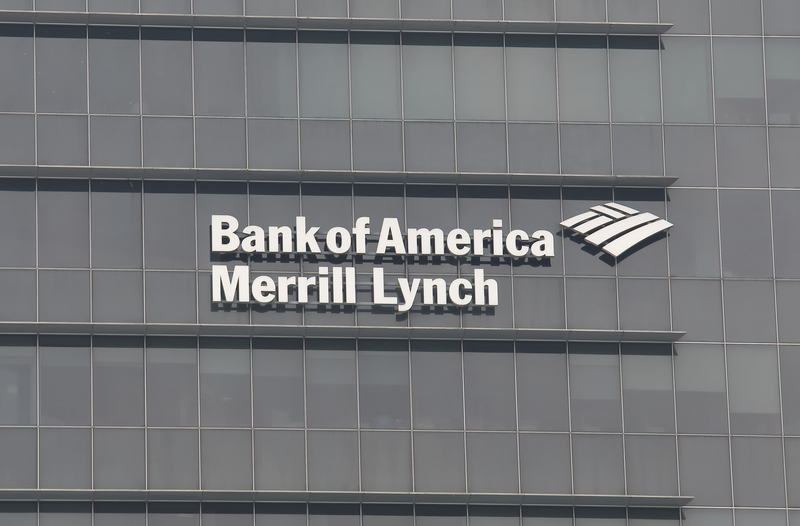
Following this significant merger, Bank of America continued to leverage acquisitions as a growth strategy, further enhancing its portfolio and expanding its reach across various sectors within the financial industry. One of the most notable acquisitions occurred in 2008, during the height of the financial crisis, when Bank of America acquired Merrill Lynch. This acquisition not only saved Merrill Lynch from collapse but also significantly bolstered Bank of America's investment banking capabilities, making it a powerhouse in both retail and investment banking. Such strategic moves have enabled Bank of America to offer a broader range of services, from traditional banking to wealth management and investment services, thereby catering to a wider spectrum of customer needs.
banner

Further reinforcing its market position, Bank of America's acquisition of Merrill Lynch during the financial crisis was a bold move that expanded its reach into wealth management and investment banking. This decision, while controversial, solidified Bank of America's status as a financial behemoth, capable of navigating the complexities of global finance, and demonstrated its commitment to diversifying its services beyond traditional banking.
banner

Each merger and acquisition in Bank of America's history has been a stepping stone towards creating a diversified portfolio of financial services, underscoring its reputation as a dynamic, forward-thinking institution ready to adapt to the changing tides of the financial world.

Bank of America's growth is a testament to its agility in seizing opportunities and navigating complex financial climates. Over the years, it has been involved in several landmark mergers and acquisitions that have allowed it to expand its portfolio and influence.

Who owns Bank of America?

Bank of America is publicly owned, with its shares traded on the New York Stock Exchange under the ticker symbol BAC. Its ownership is dispersed among individual retail investors, institutional investors, and mutual funds. Among its largest shareholders are prominent financial entities and investment firms, including Berkshire Hathaway, led by Warren Buffett, which is one of its major shareholders. This diverse shareholder base reflects confidence in Bank of America's financial stability and its future growth prospects within the banking sector. The bank's broad ownership structure supports its mission to deliver valuable financial solutions to its customers while ensuring sustainable growth and returns for its investors.

Berkshire Hathaway and Bank of America Investment

Berkshire Hathaway's investment has provided Bank of America with a notable vote of confidence from the investment community, reflected in the bank's stock performance and investor interest. This partnership highlights the importance of strategic investors in shaping the prospects of large financial institutions, further solidifying Bank of America's position as a leader in the global banking sector.

The symbiotic relationship between Berkshire Hathaway and Bank of America is one rooted in mutual respect and financial acumen. Warren Buffet, Chairman and CEO of Berkshire Hathaway, has long been a proponent of the banking giant, seeing it as a stable investment in Berkshire's diverse portfolio.
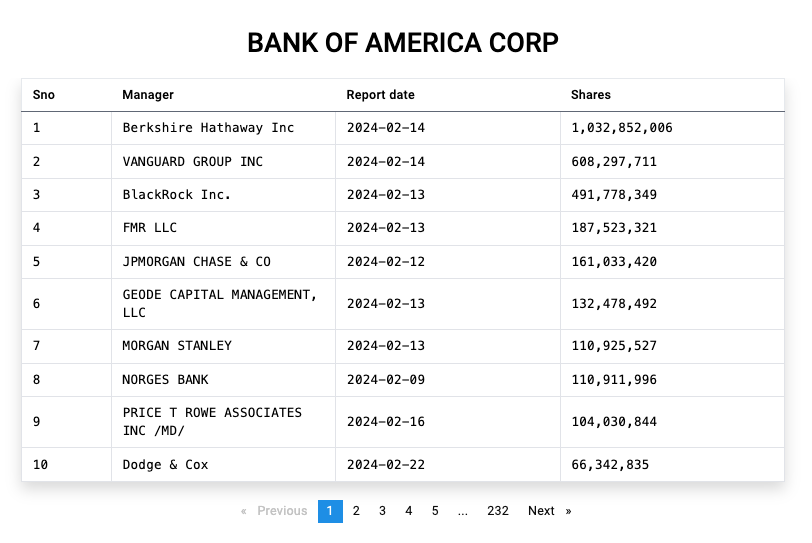
BANK OF AMERICA’s TOP 10 OWNERS

Buffett's investment in Bank of America, which includes both common stock and warrants, is a testament to the bank's strength and long-term potential. The relationship serves as a prime example of how strategic partnerships can yield significant benefits in the world of finance.

Bank of America Corporation is publicly traded and its ownership can be attributed to a wide array of investors both domestic and international. The stock is listed on the New York Stock Exchange under the ticker symbol 'BAC'. The ownership structure of the bank is a reflection of its status as a global financial institution, with shareholders including individual investors, institutional investors, and mutual fund companies.
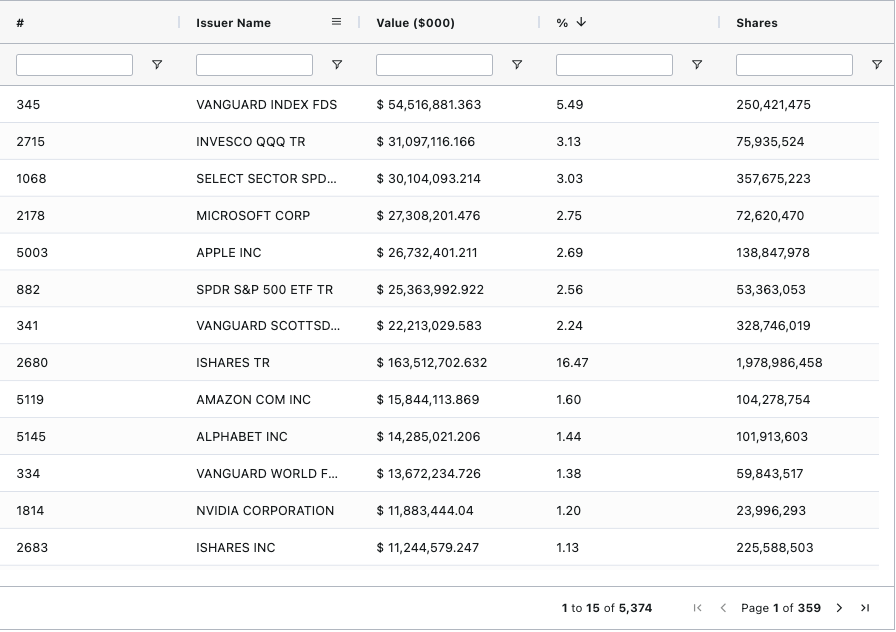
Bank Of Americas Portfolio

Bank of America Operations and Business Lines
banner

Bank of America operates across a multitude of sectors and services, reinforcing its position as a comprehensive financial powerhouse. Its operations are divided into several key business lines, each tailored to meet the specific needs of its diverse clientele. These include Consumer Banking, which offers a wide range of financial services to individuals and small businesses, including checking and savings accounts, credit cards, and home loans. The Global Wealth and Investment Management division provides tailored financial advice and investment solutions for high-net-worth individuals, businesses, and institutions. Meanwhile, Global Banking focuses on serving middle-market businesses, large corporations, and government entities with services like commercial loans and treasury solutions. Lastly, the Global Markets division offers sales and trading services, as well as research and market analysis, to institutional clients worldwide. Through this diverse portfolio, Bank of America ensures a comprehensive approach to financial services, catering to virtually every aspect of personal and professional financial management.

What truly sets Bank of America apart is the diversity in its operations and the robustness of its business lines. The institution boasts a wide array of services that cater to individual consumers, small businesses, and large corporations alike.

Its retail banking arm is one of the largest in the country, where its network of branches and ATMs facilitates millions of transactions daily. Meanwhile, in the realms of investment banking and wealth management, Bank of America Merrill Lynch stands as a formidable player, providing high-quality advisory services and products tailored to a spectrum of clients.

Future for the Bank

As we gaze into the future, it's undeniable that Bank of America stands at a pivotal crossroads. With the specter of technological disruption looming large over the banking industry, the next chapter in Bank of America's history will be defined by its ability to innovate.

The bank's commitment to sustainability and responsible financing is not just a nod to current trends—it's a strategic decision that underpins its future growth. By leveraging technology, fostering talent, and staying true to its founding principles of community support, Bank of America is poised to not just survive, but thrive in the centuries to come.

In summary, Bank of America's historical canvas is as colorful as it is expansive. It is a story of triumph over adversity, of innovation in the face of tradition, and a relentless pursuit of excellence. It is a living testament to the vision of its founders and a beacon of hope for the millions it serves. As we close this chapter on the bank's history, we do so with the understanding that its story is far from over—it is merely unfolding, one transaction at a time.

No Financial or Investment Advice: The content on this Site is for informational purposes only, you should not construe any such information or other material as legal, tax, investment, financial, or other advice. Nothing contained on our Site constitutes a solicitation, recommendation, endorsement, or offer by Smartvest Securities to buy or sell securities or other financial instruments in this or in in any other jurisdiction in which such solicitation or offer would be unlawful under the securities laws of such jurisdiction. Nothing in the Site constitutes professional and/or financial advice, nor does any information on the Site constitute a comprehensive or complete statement of the matters discussed or the law relating thereto. Smartvest Securities is not a fiduciary by virtue of any person’s or entity’s use of or access to the Site. You alone assume the sole responsibility of evaluating the merits and risks associated with the use of any information or other content on the Site before making any decisions based on such information or other content. In exchange for using the Site, you agree not to hold Smartvest Securities, or its affiliates liable for any possible claim for damages arising from any decision you make based on information or other content made available to you through the Site.