The Royal Bank of Scotland Journey Through History to Modern Excellence

The Royal Bank of Scotland (RBS) holds a significant place in the financial fabric of the United Kingdom, boasting a legacy that spans centuries. From its foundational roots in Scotland to its status as a major player in global banking today, RBS has evolved alongside the communities and businesses it serves. This blog will take you through the fascinating history of RBS, its robust portfolio of services, financial performance, strengths and weaknesses through a SWOT analysis, and its commitment to corporate social responsibility (CSR). Whether you're a finance enthusiast or simply curious about leading institutions in banking, this deep-dive into RBS will provide valuable insights.

banner
Article Bullets

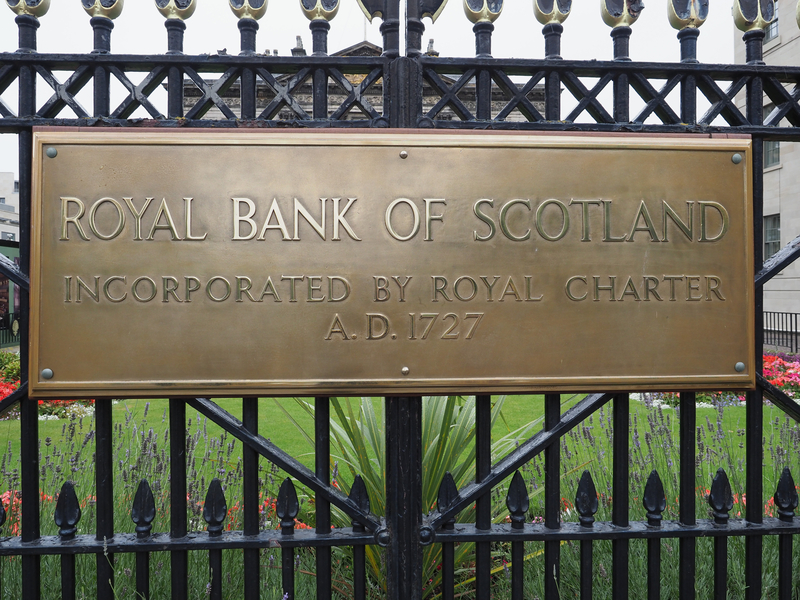
RBS was established in 1727 in Edinburgh, making it one of the oldest banks in the world. Its creation can be traced to the pursuit of economic stability and growth in Scotland during the early 18th century. It was founded as a means to bolster the Scottish economy, providing capital to traders and burgeoning industries. The bank was granted a royal charter by King George I, setting it apart as an elite institution with strong ties to the monarchy. The early years of RBS were marked by innovative strides, such as issuing the first overdraft facility in 1728, which allowed customers to draw more money than they had in their accounts. This groundbreaking concept laid the foundation for modern personal and business banking.

Over the centuries, RBS expanded both its services and geographical footprint. By acquiring smaller regional banks and diversifying its offerings, RBS grew into one of the most prominent banking institutions in the UK. However, its history isn’t without challenges. The 2008 financial crisis severely impacted RBS, necessitating a government bailout that remains a pivotal moment in its modern history. Despite these hurdles, RBS has demonstrated resilience, rebranding its image and operations to reintegrate itself as a reliable financial partner to millions.

Founding and Early Years

The Royal Bank of Scotland was established in 1727 in Scotland's bustling financial capital, Edinburgh.
One of the defining moments of its early history came in 1755, when RBS introduced an innovative banking practice that focused on client accessibility - the "cash credit" system. This allowed more customers, including small businesses and individuals, to secure credit against security instead of needing hard collateral.
The system's success not only boosted RBS's reputation but also contributed to Scotland's economic progress, encouraging merchants and tradespeople to expand their businesses.

Expansion Throughout the 19th Century

The industrial revolution and the subsequent economic growth in Britain provided fertile ground for RBS's expansion. By the mid-1800s, RBS had significantly increased its presence by opening branches across Scotland.
During this period, the bank also played an instrumental role in Britain's burgeoning transportation industry, financing railroads and shipping ventures. This strategic decision not only profited the bank but also facilitated nationwide connectivity.
However, RBS's growth was not confined to national borders. It sought opportunities overseas, forming connections with banking counterparts in Europe and establishing itself as a reliable player in international trade finance.

Transformations in the 20th Century

The turn of the 20th century marked a new era for RBS. The bank shifted its focus to expand beyond the Scottish market, setting its sights on the rest of the UK. This expansion was marked by a series of strategic acquisitions, including the purchase of English banks like Williams Deacon’s Bank and Glyn, Mills & Co.
During this time, RBS modernized its banking services, introducing technologies such as the Telex machine in the 1920s to facilitate faster communications across branches. By being an early adopter of technology, the bank maintained its position as an industry leader.
But like many other financial institutions, RBS faced challenges during the Great Depression in the 1930s. Despite economic turbulence, RBS weathered the storm, showcasing a resilience that would become its hallmark in the decades to come.

Post-War Growth and Diversification

Following World War II, RBS diversified its services to appeal to a broader range of customers. The post-war years saw an increased demand for personal banking services, and RBS responded by introducing tailored account offerings for households, small businesses, and younger clients.
By the late 20th century, the bank continued its growth trajectory by acquiring NatWest in 2000, a monumental £21 billion merger that made waves across the industry. This acquisition solidified RBS as one of Europe's most prominent financial institutions.

The 2008 Global Financial Crisis

No history of RBS would be complete without discussing the 2008 global financial crisis. Like many banking giants, RBS faced significant struggles during the crisis.
The bank had aggressively pursued growth through risky investments and acquisitions, including the high-profile purchase of ABN Amro in 2007. When the crisis hit, the losses from these ventures, coupled with falling global markets, pushed RBS to the brink of collapse.
Faced with insolvency, the UK government stepped in, injecting a staggering £45.5 billion to rescue it. This bailout became the largest in British history, leaving the government with an 81% stake in the bank.
While the bailout saved RBS, the bank's reputation was severely damaged. It spent the following years rebuilding trust and restructuring its operations.

Understanding RBS Services

Today, RBS offers a diverse array of financial services aimed at individuals, businesses, and high-net-worth clients. Here’s an overview of its key offerings:

Personal Banking

Catering to everyday financial needs, RBS provides services such as checking and savings accounts, mortgages, personal loans, and credit cards. Customers can also take advantage of mobile and online banking, allowing for seamless transactions and account management.

Business Banking

RBS has developed tailored financial solutions to support small enterprises, mid-sized firms, and corporate businesses alike. Services include business loans, cash flow management, trade finance, and payment processing. Notably, RBS offers resources and tools specifically designed for startups to help them establish firm financial foundations.

Wealth Management

Beyond standard banking, RBS provides wealth management services through NatWest Premier and Coutts (two subsidiaries of its holding group, NatWest Group). From investment advice to estate planning, these services cater to affluent clients looking for personalized financial strategies.

Specialized Lending

RBS has carved a niche in providing specialized lending solutions for innovative industries. Sectors like renewable energy, agriculture, and technology often require unique financial structures, and RBS meets these needs with adaptive lending products.

Financial Performance Snapshot

The financial health of a bank reflects its operational success and market standing. RBS, as part of NatWest Group, consistently ranks among the top banking institutions in Europe. Here’s an analysis of its financial state:
  • Revenue and Profits: Over the years, RBS has reported steady revenues, largely driven by its strong retail and business banking segments. Its profitability was restored post-2008, with performance rebounding due to cost reduction strategies and better asset quality management.
  • Market Share: RBS commands a significant share of the UK banking market. Its loyal customer base and diversified offerings ensure a competitive edge, particularly among small businesses and affluent individuals.
  • Adaptation to Change: The bank has embraced digital transformation, launching initiatives like artificial intelligence (AI)-powered chatbots and enhanced digital banking platforms, which have increasingly contributed to its financial recovery.

Strengths, Weaknesses, Opportunities, and Threats (SWOT)

A SWOT analysis helps in understanding the current and future positioning of RBS in a fast-changing global banking landscape:

Strengths

  • Rich Heritage: With centuries behind it, RBS has a strong reputation and history of innovation.
  • Diverse Services: From personal banking to wealth management, its range of offerings accommodates various client needs.
  • Customer-centric Digital Tools: RBS has invested in robust mobile and online platforms, making banking more accessible and user-friendly.

Weaknesses

  • Historical Reputation: Challenges such as the 2008 bailout and pre-crisis practices still linger in public perception.
  • Dependency on UK Markets: RBS’s heavy reliance on the UK economy limits international growth opportunities.

Opportunities

  • Emerging Tech Integration: Leveraging AI, blockchain, and other financial technologies could attract younger, tech-savvy clients.
  • Sustainability Products: Growing demand for sustainable investments presents new service opportunities.
  • Global Expansion: Diversifying beyond the UK could help offset domestic economic risks.

Threats

  • Economic Fluctuations: Dependency on the UK market makes RBS vulnerable to shifts in national economic conditions.
  • Intense Competition: Challenger banks and fintech disruptors pose significant threats.
  • Compliance Costs: Adapting to evolving regulations continues to require significant financial investment.

The Power of Lending Back Through CSR

Corporate social responsibility is an integral part of RBS’s narrative. Understanding the importance of uplifting communities and fostering sustainable growth, RBS has rolled out multiple CSR initiatives that leave a lasting impact.

Climate Leadership

RBS is deeply committed to environmental sustainability. The bank has pledged to reduce its carbon emissions and support renewable projects by offering green loans and composing a net-zero lending portfolio.

Community Support

Through programs aimed at financial literacy and assistance, RBS strengthens its bond with local communities. Their initiatives include workshops for small business owners and free financial education resources for underserved groups.

Inclusivity and Diversity

RBS actively promotes diversity in its workforce and beyond. By building inclusive workspaces and supporting minority-owned businesses with specialized products, RBS contributes to equitable opportunities for all.

RBS Yesterday, Today, and Tomorrow

RBS is more than just a bank; it’s a testament to resilience, reinvention, and the ability to adapt to change. Its storied past, coupled with a firm commitment to innovation and corporate responsibility, demonstrates why it remains a prominent player in banking. From ground-breaking contributions to community-focused initiatives, RBS’s role in the economic life of the UK is undeniable.

No Financial or Investment Advice: The content on this Site is for informational purposes only, you should not construe any such information or other material as legal, tax, investment, financial, or other advice. Nothing contained on our Site constitutes a solicitation, recommendation, endorsement, or offer by Smartvest Securities to buy or sell securities or other financial instruments in this or in in any other jurisdiction in which such solicitation or offer would be unlawful under the securities laws of such jurisdiction. Nothing in the Site constitutes professional and/or financial advice, nor does any information on the Site constitute a comprehensive or complete statement of the matters discussed or the law relating thereto. Smartvest Securities is not a fiduciary by virtue of any person’s or entity’s use of or access to the Site. You alone assume the sole responsibility of evaluating the merits and risks associated with the use of any information or other content on the Site before making any decisions based on such information or other content. In exchange for using the Site, you agree not to hold Smartvest Securities, or its affiliates liable for any possible claim for damages arising from any decision you make based on information or other content made available to you through the Site.