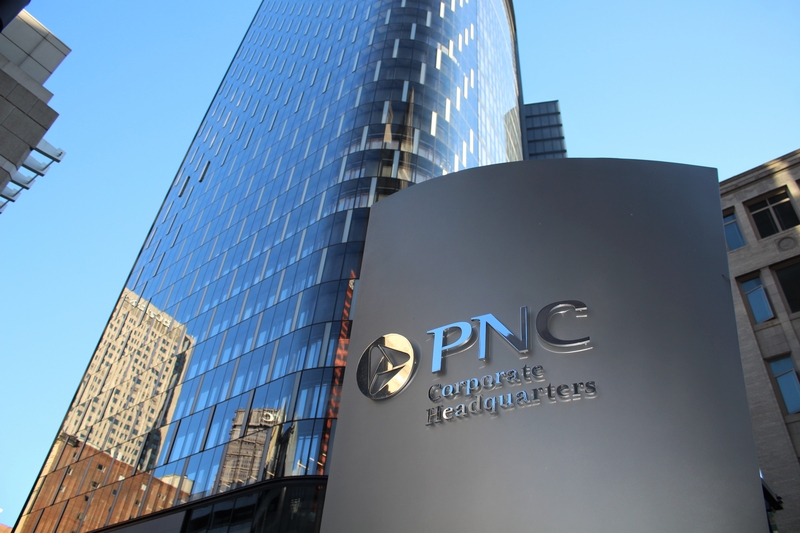
This comprehensive profile explores PNC Bank's rich history, expansive service offerings, strategic growth through mergers and acquisitions, and its significant impact on American communities. Whether you're a potential customer, investor, or simply curious about one of the country's largest banks, this deep dive reveals how PNC has evolved into the financial powerhouse it is today.
Founding and Early Years
PNC Bank's story begins in 1845 with the establishment of Pittsburgh Trust and Savings Company in Pittsburgh, Pennsylvania. The bank was founded by a group of local businessmen who recognized the need for a reliable financial institution to serve the growing industrial city.
The original founders included prominent Pittsburgh business leaders who understood the importance of banking services for the region's expanding steel and manufacturing industries. These visionaries laid the groundwork for what would eventually become one of America's largest regional banks.
Throughout the late 1800s and early 1900s, the bank steadily grew by serving the financial needs of Pittsburgh's booming industrial economy. The institution played a crucial role in financing the city's steel mills, railroads, and other major enterprises that drove America's industrial revolution.
Key Historical Milestones
The modern PNC Bank emerged through a series of strategic mergers and name changes. In 1959, Pittsburgh National Bank of Commerce was formed through the merger of Pittsburgh National Bank and Fidelity Trust Company. This merger created one of the largest banks in Pennsylvania and marked the beginning of PNC's expansion strategy.
The 1980s brought significant transformation when Pittsburgh National Corporation merged with Provident National Corporation of Philadelphia in 1983, creating PNC Financial Corporation. This merger expanded the bank's reach beyond Pittsburgh into other major Pennsylvania markets.
PNC Bank | Financial Data
Going Public and Strategic Acquisitions

Initial Public Offering
PNC Bank's parent company, PNC Financial Services Group, went public and began trading on the New York Stock Exchange under the ticker symbol "PNC." This public offering provided the capital necessary for the bank's ambitious expansion plans and allowed investors to participate in the company's growth.
Major Mergers and Acquisitions
PNC's growth strategy has been heavily driven by strategic acquisitions that expanded its geographic footprint and service capabilities. Some of the most significant deals include:
- The National City Corporation Acquisition (2008): This $5.2 billion deal represented PNC's largest acquisition, significantly expanding its presence in the Midwest and making it one of the top 10 banks in the United States.
- The RBC Bank Acquisition (2012): PNC acquired RBC Bank's U.S. retail banking operations for $3.45 billion, adding 424 branches across six southeastern states and expanding its customer base by approximately 1.5 million accounts.
- The BBVA USA Acquisition (2021): In a transformative $11.6 billion deal, PNC acquired BBVA USA, adding significant operations in Texas, Alabama, Arizona, California, Colorado, Florida, and New Mexico. This acquisition made PNC the fifth-largest bank in the United States by assets.
These strategic acquisitions have been instrumental in transforming PNC from a regional Pennsylvania bank into a major national financial institution with coast-to-coast operations.
Comprehensive Service Offerings
Retail Banking Services
PNC provides a full range of retail banking services designed to meet the everyday financial needs of consumers. The bank operates over 2,300 branches and 9,000 ATMs across 27 states and Washington, D.C.
- Checking and Savings Accounts: PNC offers various checking account options, including the Virtual Wallet, which combines checking, savings, and financial planning tools in an innovative digital platform.
- Credit Cards: The bank provides a selection of credit cards with competitive rates and rewards programs, including cashback and travel rewards options.
- Mortgages and Home Loans: PNC offers comprehensive mortgage services, including conventional loans, FHA loans, VA loans, and jumbo mortgages, helping customers achieve homeownership across its service areas.
- Auto Loans: The bank provides competitive auto financing for new and used vehicles, with streamlined application processes and competitive rates.
Corporate and Commercial Banking
PNC serves businesses of all sizes with sophisticated financial solutions tailored to their unique needs.
- Business Banking: The bank offers business checking accounts, merchant services, payroll processing, and cash management solutions for small and medium-sized businesses.
- Corporate Banking: Large corporations benefit from PNC's expertise in treasury management, commercial lending, international banking, and specialized industry solutions.
- Asset Management: PNC provides institutional asset management services, managing billions in assets for pension funds, endowments, and other institutional clients.
Wealth Management Services
PNC's wealth management division serves affluent individuals and families with comprehensive financial planning and investment services.
- Private Banking: High-net-worth clients receive personalized banking services, including private lending, investment management, and estate planning assistance.
- Investment Services: The bank offers brokerage services, retirement planning, and portfolio management through its network of financial advisors.
- Trust Services: PNC provides trust administration, estate settlement, and fiduciary services for individuals and families seeking professional wealth management.

Geographic Presence and Market Position
PNC operates primarily in the eastern United States, with significant market share in key metropolitan areas. The bank's footprint extends across major markets including:
- Northeast: Strong presence in Pennsylvania, New Jersey, New York, and other northeastern states
- Southeast: Significant operations in North Carolina, South Carolina, Georgia, and Florida
- Midwest: Major market share in Ohio, Michigan, Illinois, and Indiana
- Southwest: Growing presence in Texas and other southwestern markets following the BBVA acquisition
This geographic diversification provides PNC with exposure to various economic conditions and growth opportunities across different regions.
Community Involvement and Corporate Responsibility
PNC demonstrates strong commitment to the communities it serves through various initiatives and programs.
- Community Development: The bank invests heavily in affordable housing projects, small business development, and community revitalization efforts in underserved areas.
- Educational Support: PNC provides significant funding for educational programs, including financial literacy initiatives and scholarships for students pursuing higher education.
- Environmental Sustainability: The bank has committed to environmental responsibility through green building practices, renewable energy investments, and sustainable lending practices.
- Charitable Giving: The PNC Foundation supports numerous charitable organizations and community programs, focusing on education, arts and culture, and community development.
Ownership Structure
PNC Bank is owned by PNC Financial Services Group, Inc., a publicly traded company listed on the New York Stock Exchange. The ownership structure includes:
- Public Shareholders: The majority of PNC shares are held by institutional investors, including mutual funds, pension funds, and other investment firms.
- Management and Employee Ownership: Company executives and employees own shares through various compensation and benefit programs.
- Individual Investors: Retail investors can purchase PNC shares through brokerage accounts, making the bank partially owned by individual shareholders.
The largest institutional shareholders typically include major investment firms such as BlackRock, Vanguard, and State Street, which hold significant stakes on behalf of their clients.
Fascinating Facts About PNC Bank
Several interesting aspects make PNC unique among major American banks:
- Sports Naming Rights: PNC has naming rights to PNC Park, home of the Pittsburgh Pirates baseball team, reflecting the bank's strong Pittsburgh roots and community ties.
- Technology Innovation: PNC was among the first major banks to introduce virtual reality technology in select branches, allowing customers to experience immersive banking environments.
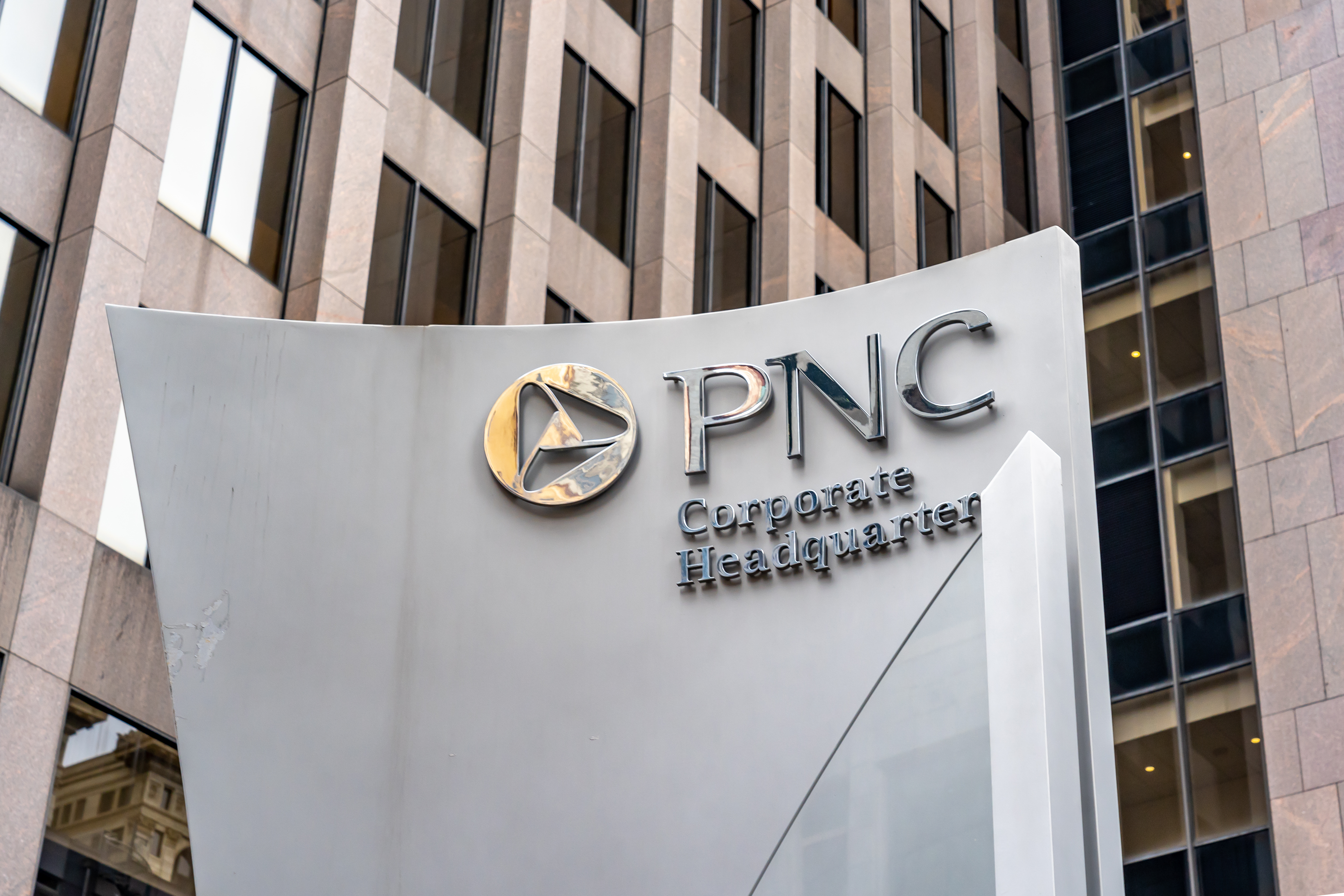
- Historical Preservation: The bank's headquarters in Pittsburgh incorporates historical architectural elements, preserving the city's industrial heritage while embracing modern banking technology.
- Diversity and Inclusion: PNC has received numerous awards for workplace diversity and inclusion, consistently ranking among the top employers for minorities and women in the financial services industry.
Financial Performance and Stability
PNC consistently demonstrates strong financial performance, making it an attractive option for both customers and investors.
- Asset Growth: The bank's total assets have grown significantly through organic growth and strategic acquisitions, reaching hundreds of billions in total assets.
- Profitability: PNC maintains healthy profit margins and return on equity, demonstrating effective management and operational efficiency.
- Capital Strength: The bank maintains strong capital ratios that exceed regulatory requirements, providing a solid foundation for future growth and economic stability.
- Credit Quality: PNC's loan portfolio demonstrates strong credit quality with manageable charge-off rates and effective risk management practices.
The bank's financial stability is regularly evaluated by credit rating agencies, which consistently assign investment-grade ratings to PNC's debt securities.
PNC's Role in Shaping American Banking
PNC Bank has established itself as a cornerstone of American banking through strategic growth, innovation, and unwavering commitment to customer service. From its Pittsburgh origins to its current status as a major national bank, PNC has consistently adapted to changing market conditions while maintaining its core values of community service and financial excellence.
The bank's success story demonstrates how strategic vision, careful execution, and community focus can transform a regional institution into a national powerhouse. As PNC continues to evolve and expand its services, it remains positioned to play a significant role in America's financial future, serving millions of customers while supporting economic growth across the communities it serves.
For customers seeking a bank with deep roots, strong financial performance, and comprehensive service offerings, PNC represents a compelling choice backed by nearly 180 years of banking excellence and a commitment to innovation that positions it well for continued success in the evolving financial landscape.