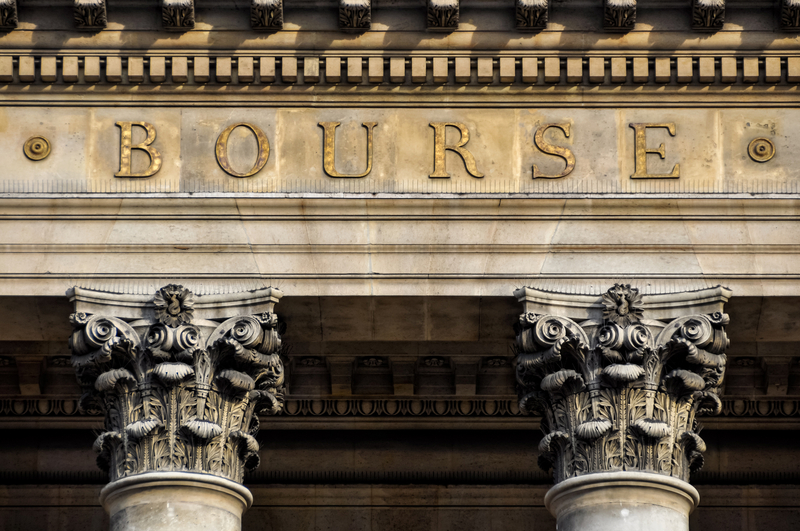
Paris Stock Exchange: Gateway to European Capital Markets

The Paris Stock Exchange, officially known as Euronext Paris, stands as one of Europe's most influential financial markets and a cornerstone of France's economic infrastructure. With over 800 listed companies and a combined market capitalization exceeding €2.5 trillion, this historic exchange serves as the primary gateway for investors seeking exposure to French and European markets.

banner
Article Bullets

From luxury conglomerates like LVMH to industrial giants such as Airbus, the Paris Stock Exchange hosts some of the world's most recognizable brands while maintaining its position as a leading force in global finance. This comprehensive guide explores the exchange's rich history, current structure, and vital role in shaping France's economic landscape.

Early Origins and Royal Beginnings (1724-1800)

The Paris Stock Exchange traces its origins to 1724 when King Louis XV established the first official stock exchange in Paris. Initially located in the Hôtel de Nevers, the exchange began as a response to the growing need for organized securities trading following the financial innovations of the early 18th century.
The exchange's early years were marked by the infamous Mississippi Bubble of 1720, orchestrated by John Law, which demonstrated both the potential and perils of organized financial markets. This event shaped French attitudes toward financial speculation and influenced the regulatory framework that would govern the exchange for centuries.
During the French Revolution, the exchange temporarily closed as the country underwent massive political and economic upheaval. The revolutionary government viewed stock trading with suspicion, associating it with the aristocratic class they sought to eliminate.

Napoleon's Financial Reforms (1800-1850)

Napoleon Bonaparte recognized the importance of organized capital markets for financing his empire's ambitions. In 1801, he formally re-established the Paris Stock Exchange through the creation of the Compagnie des Agents de Change, granting exclusive trading rights to a select group of licensed brokers.
Paris Stock Exchange


The exchange found its permanent home in 1826 when the iconic Palais Brongniart was constructed specifically to house trading activities. This neoclassical building, designed by architect Alexandre-Théodore Brongniart, became the symbol of French finance and remained the exchange's headquarters for nearly two centuries.
Napoleon's regulatory framework established many principles that persist today, including strict licensing requirements for brokers and formal procedures for company listings. These regulations provided stability and credibility that helped the exchange grow throughout the 19th century.

Industrial Revolution and Expansion (1850-1914)
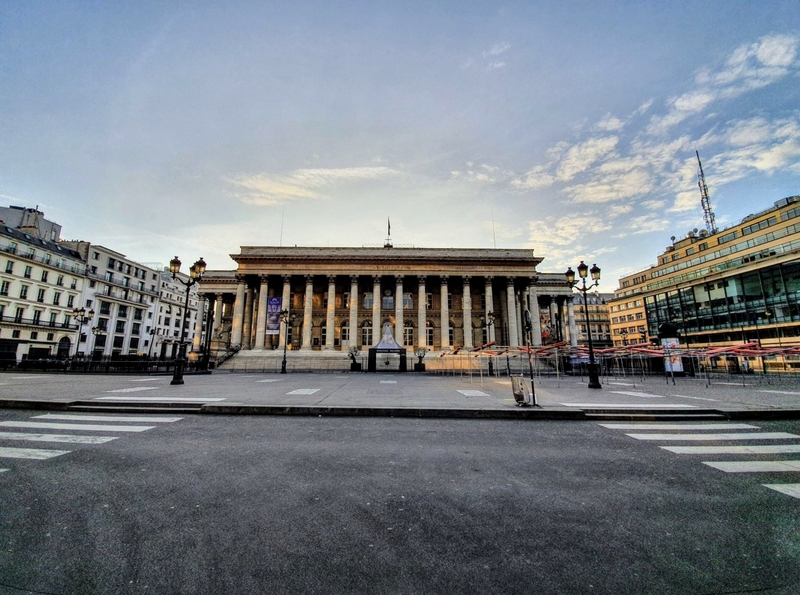
The second half of the 19th century marked tremendous growth for the Paris Stock Exchange. France's industrial revolution created demand for capital, and the exchange responded by facilitating the financing of railways, steel mills, and emerging manufacturing companies.
The exchange played a crucial role in financing France's colonial expansion, with many companies involved in overseas trade and development finding capital through stock and bond offerings. This period established Paris as a major international financial center, rivaling London in importance.
By 1914, the Paris Stock Exchange had become one of the world's largest, with hundreds of listed companies and significant international participation. The exchange's growth reflected France's position as a major economic power and colonial empire.
Stock Exchange - Historic Building


Modern Evolution and Transformation

War, Recovery, and Nationalization (1914-1980)

Both World Wars severely disrupted the Paris Stock Exchange. During World War I, the exchange remained open but faced significant challenges from wartime financing needs and economic uncertainty. The interwar period brought recovery, but the Great Depression and World War II created additional turmoil.
The post-war period saw significant government intervention in the French economy, including the nationalization of major banks and industries. This reduced the number of publicly traded companies and shifted the exchange's focus toward government bonds and remaining private enterprises.
Despite these challenges, the exchange continued operating and gradually rebuilt its role in the French economy. The creation of the European Economic Community in 1957 opened new opportunities for cross-border investment and international expansion.

Deregulation and Modernization (1980-2000)

The 1980s brought sweeping changes to the Paris Stock Exchange. The French government, under President François Mitterrand, initially expanded nationalization but later reversed course, implementing major privatization programs that revitalized the exchange.

Key modernization initiatives included:


  • 1986: Introduction of electronic trading systems, replacing the traditional open outcry method.

  • 1987: Deregulation of brokerage services, ending the centuries-old monopoly of licensed agents.

  • 1988: Creation of the Société des Bourses Françaises (SBF), modernizing the exchange's corporate structure.

  • 1989: Launch of the CAC 40 index, providing a benchmark for French equity performance.
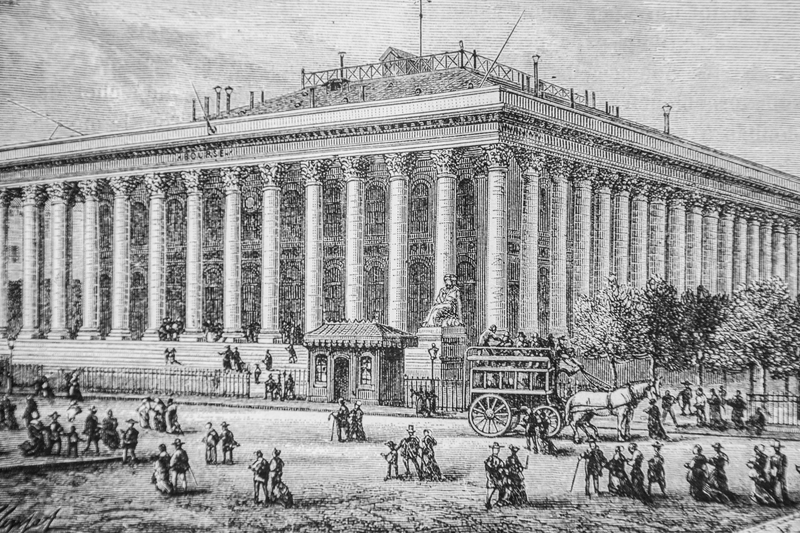
Paris Stock Exchange vintage


These reforms transformed the Paris Stock Exchange from a traditional, heavily regulated institution into a modern, competitive financial market capable of competing with other international exchanges.

The Euronext Revolution (2000-Present)
The most significant transformation came in 2000 when the Paris Stock Exchange merged with the Amsterdam and Brussels exchanges to form Euronext. This groundbreaking merger created the world's first cross-border exchange, revolutionizing European capital markets.
The Euronext project aimed to create a single, integrated European capital market that could compete with American exchanges and support the new European Union's economic integration. Paris became the largest component of this new exchange, hosting the majority of listed companies and trading volume.
Further expansion followed with the acquisition of the London International Financial Futures Exchange (LIFFE) in 2002 and the Lisbon exchange in 2003. These additions strengthened Euronext's position as Europe's leading exchange operator.
Euronext Exchange

Key Milestones in Exchange History

Technological Innovations

The Paris Stock Exchange has consistently embraced technological advancement:

  • 1986: Implemented the CAC (Cotation Assistée en Continu) electronic trading system, one of Europe's first fully electronic exchanges.

  • 1995: Launched NSC (Nouveau Système de Cotation), providing enhanced trading capabilities and market data.

  • 2000: Integrated into Euronext's Universal Trading Platform, enabling seamless cross-border trading.

  • 2007: Adopted NYSE Euronext's advanced trading technology following the merger with the New York Stock Exchange.


Regulatory Developments

Significant regulatory changes have shaped the modern exchange:

  • 1996: Implementation of the Investment Services Directive, harmonizing European securities regulation.

  • 2007: Markets in Financial Instruments Directive (MiFID) enhanced investor protection and market transparency.

  • 2018: MiFID II introduction brought additional regulatory requirements and improved market structure.

International Expansion

The exchange has pursued strategic international partnerships:
  • Joint ventures with emerging market exchanges
  • Cross-listing agreements with other major exchanges
  • Development of products for international investors

Ownership Structure and Governance

Current Ownership

Euronext Paris is owned by Euronext N.V., a publicly traded company listed on its own exchanges under ticker symbol ENX. This structure ensures transparency and accountability in exchange operations.

The ownership structure includes:

  • Institutional investors (pension funds, asset managers)
  • Individual shareholders
  • Financial institutions
  • Employee shareholders through participation plans


Governance Framework

Euronext operates under a robust governance structure designed to balance stakeholder interests:


  • Board of Directors: Provides strategic oversight and ensures compliance with regulatory requirements.

  • Management Board: Handles day-to-day operations and implements strategic initiatives.

  • Market Supervisory Authority: Ensures fair trading practices and market integrity.

  • User Committees: Represent the interests of various market participants, including listed companies, investors, and intermediaries.


Regulatory Oversight

The Autorité des Marchés Financiers (AMF) serves as the primary regulator for French financial markets, including Euronext Paris. The AMF ensures market integrity, investor protection, and compliance with European securities regulations.

Structure and Operations

Market Segments

Euronext Paris operates several distinct market segments to serve different types of companies and investors:


  • Compartment A: Large companies with market capitalizations exceeding €1 billion, including CAC 40 constituents.

  • Compartment B: Mid-cap companies with market capitalizations between €150 million and €1 billion.

  • Compartment C: Small-cap companies with market capitalizations below €150 million.

  • Euronext Growth: Designed for small and medium-sized enterprises seeking access to capital markets with simplified listing requirements.

  • Euronext Access: An unregulated market for very small companies and startups.


Listing Requirements

Companies seeking to list on Euronext Paris must meet specific requirements that vary by market segment:


  • Financial Requirements: Minimum market capitalization, revenue thresholds, and profitability standards.

  • Corporate Governance: Board composition, audit committee requirements, and transparency standards.

  • Reporting Obligations: Regular financial reporting, disclosure requirements, and communication with investors.

  • Free Float: Minimum percentage of shares available for public trading.


Trading System
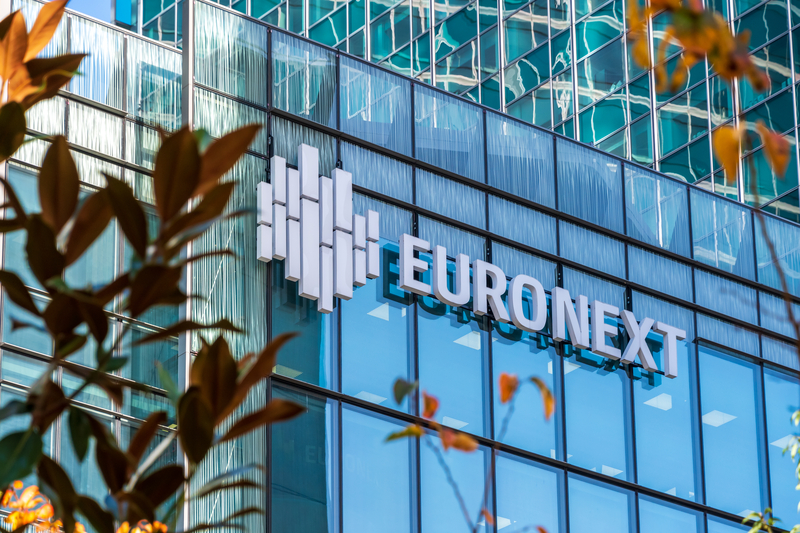
Euronext Stock Exchange

Euronext Paris utilizes the Universal Trading Platform (UTP), providing:

  • High-speed electronic trading with microsecond execution
  • Advanced order types and trading algorithms
  • Real-time market data and analytics
  • Cross-border trading capabilities within the Euronext network

    The system operates during standard European trading hours (9:00 AM to 5:30 PM CET) with pre-market and post-market sessions for extended trading opportunities.

Major Companies Listed on Euronext Paris

Luxury and Consumer Goods

France's luxury sector dominates global markets, with several leaders listed on Euronext Paris:


  • LVMH (Louis Vuitton Moët Hennessy): The world's largest luxury conglomerate, encompassing brands like Louis Vuitton, Christian Dior, and Moët & Chandon.

  • Hermès International: The iconic luxury goods manufacturer known for its leather goods, silk scarves, and haute couture.

  • Kering: A global luxury group owning brands such as Gucci, Saint Laurent, and Balenciaga.

  • L'Oréal: The world's largest cosmetics and beauty company, with a portfolio spanning luxury to mass-market products.


Industrial and Aerospace

France's industrial strength is well-represented on the exchange:


  • Airbus: The European aerospace giant competing globally with Boeing in commercial aircraft manufacturing.

  • Safran: A major aerospace and defense company specializing in aircraft engines and equipment.

  • Thales: A multinational technology company focused on defense, aerospace, and cybersecurity solutions.

  • Schneider Electric: A global leader in energy management and automation solutions.


Financial Services

Major French financial institutions include:


  • BNP Paribas: One of Europe's largest banks, providing comprehensive banking and financial services.

  • Crédit Agricole: A major cooperative banking group with significant domestic and international operations.

  • Société Générale: A leading European financial services group offering commercial and investment banking.

  • AXA: One of the world's largest insurance companies, providing insurance and asset management services.
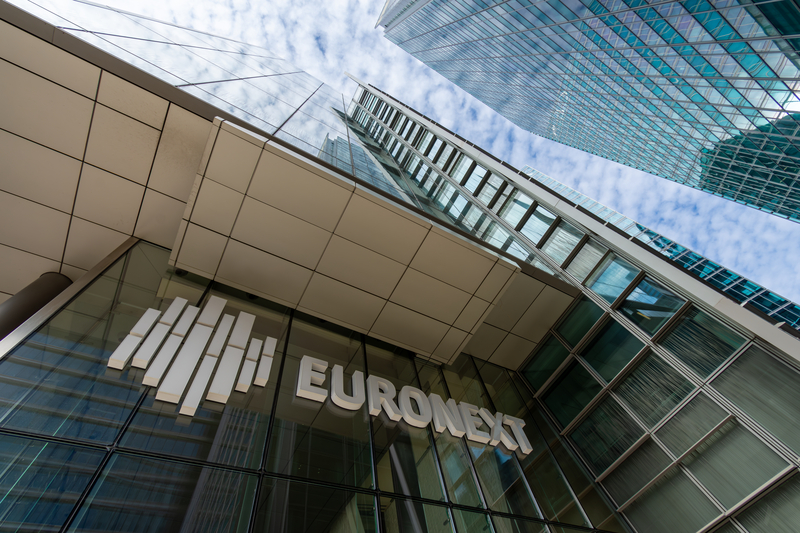

Euronext Stock Exchange

Technology and Telecommunications

France's technology sector includes:


  • Capgemini: A global consulting and technology services company.

  • Dassault Systèmes: A leader in 3D design software and product lifecycle management.

  • Orange: France's largest telecommunications operator and a major European telecom provider.

  • Worldline: A leading European payment services company.

Impact on the French Economy

Capital Formation and Investment

Euronext Paris plays a crucial role in France's capital formation, facilitating billions of euros in investment annually. The exchange provides companies with access to both domestic and international capital, supporting business expansion, research and development, and innovation.
Initial public offerings (IPOs) on Euronext Paris have raised substantial funds for French companies, enabling them to compete globally and expand internationally. The exchange's role in privatization programs has also been significant, helping transform state-owned enterprises into publicly traded companies.

Economic Barometer

The CAC 40 index serves as a key indicator of French economic health and investor sentiment. Market performance often reflects broader economic conditions, political developments, and international events affecting France.
The exchange's performance impacts pension funds, insurance companies, and individual investors, making it an important component of France's financial ecosystem and household wealth.

International Connectivity

Euronext Paris serves as a gateway for international investors seeking exposure to French markets while providing French companies with access to global capital. This connectivity strengthens France's position in the global economy and supports its integration with European partners.
The exchange's role in the broader Euronext network facilitates cross-border investment and trading, supporting European economic integration and competitiveness.

Supporting Innovation and Entrepreneurship

The exchange's growth markets, particularly Euronext Growth and Euronext Access, provide smaller companies with access to capital markets. This supports innovation, entrepreneurship, and job creation in France's economy.
Government initiatives, such as the Plan d'Épargne en Actions (PEA) and various tax incentives, encourage individual investment in French companies through the exchange, supporting domestic capital formation.

Comparison with Other Stock Exchanges

Global Ranking and Size

Euronext Paris ranks among the world's top 10 stock exchanges by market capitalization, though it remains smaller than major American and Asian exchanges. Within Europe, it competes with the London Stock Exchange, Frankfurt's Deutsche Börse, and other regional exchanges.

Key comparative metrics include:

  • Market capitalization: €2.5+ trillion
  • Number of listed companies: 800+
  • Daily trading volume: €4-6 billion average
  • International listings: Significant presence of foreign companies


Competitive Advantages

Euronext Paris offers several competitive advantages:


  • European Integration: As part of Euronext, it provides seamless access to multiple European markets through a single platform.

  • Regulatory Harmonization: Benefits from European Union regulatory convergence and MiFID II compliance.

  • Time Zone: Advantageous position for trading between Asian and American markets.

  • Sector Strength: Strong representation in luxury goods, aerospace, and financial services.


Key Differences from Other Exchanges

Unlike purely national exchanges, Euronext Paris benefits from:

  • Cross-border trading capabilities
  • Shared technology and infrastructure
  • Diversified geographic exposure
  • Enhanced liquidity through market integration

Compared to American exchanges, Euronext Paris operates under different regulatory frameworks and market structures, with greater emphasis on relationship-based trading and longer-term investment horizons.

Shaping France's Financial Future

The Paris Stock Exchange has evolved from a royal creation in 1724 to become a cornerstone of modern European finance. Its transformation from a traditional trading floor to a sophisticated electronic marketplace reflects broader changes in global financial markets and France's adaptation to international competition.
The exchange's integration into Euronext represents a bold vision of European financial integration, creating new opportunities for companies and investors while maintaining the distinct character of French capitalism. This balance between innovation and tradition continues to define the exchange's role in France's economy.
For international investors, Euronext Paris offers access to some of the world's most prestigious brands and innovative companies. Whether seeking exposure to luxury goods, aerospace technology, or financial services, the exchange provides a gateway to French and European markets with deep liquidity and sophisticated trading infrastructure.
The exchange's future depends on continued adaptation to changing market conditions, technological advancement, and regulatory evolution. As France navigates post-pandemic recovery, European integration, and global competition, Euronext Paris remains central to the nation's financial infrastructure and economic strategy.
Through its commitment to transparency, innovation, and market integrity, the Paris Stock Exchange continues to serve as a bridge between French businesses and global capital markets, ensuring that France maintains its position as a major force in international finance while supporting the growth and development of its domestic economy.

No Financial or Investment Advice: The content on this Site is for informational purposes only, you should not construe any such information or other material as legal, tax, investment, financial, or other advice. Nothing contained on our Site constitutes a solicitation, recommendation, endorsement, or offer by Smartvest Securities to buy or sell securities or other financial instruments in this or in in any other jurisdiction in which such solicitation or offer would be unlawful under the securities laws of such jurisdiction. Nothing in the Site constitutes professional and/or financial advice, nor does any information on the Site constitute a comprehensive or complete statement of the matters discussed or the law relating thereto. Smartvest Securities is not a fiduciary by virtue of any person’s or entity’s use of or access to the Site. You alone assume the sole responsibility of evaluating the merits and risks associated with the use of any information or other content on the Site before making any decisions based on such information or other content. In exchange for using the Site, you agree not to hold Smartvest Securities, or its affiliates liable for any possible claim for damages arising from any decision you make based on information or other content made available to you through the Site.