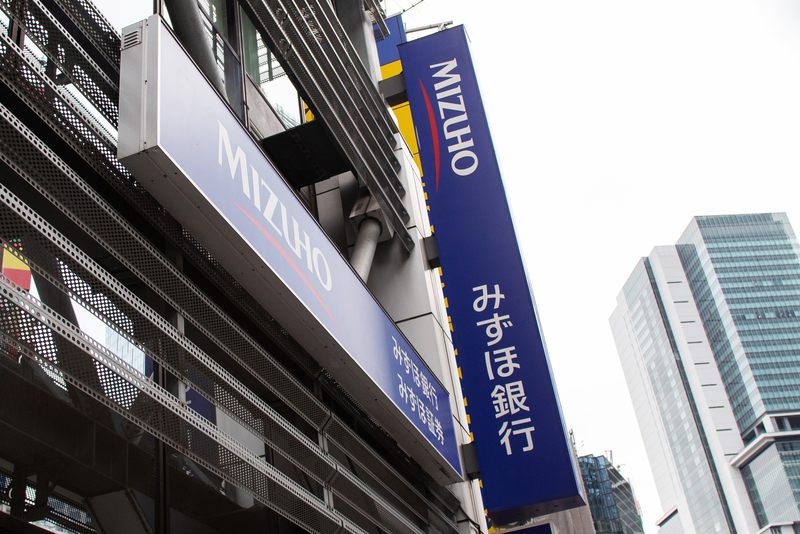
Among Japan's financial titans, Mizuho Financial Group stands as a testament to strategic vision and institutional resilience. As one of Japan's three largest banking groups alongside Mitsubishi UFJ Financial Group and Sumitomo Mitsui Financial Group, Mizuho commands a formidable presence in both domestic and international markets, with assets exceeding $1.8 trillion and operations spanning over 35 countries.
August 21, 2025
Smartvest Securities Team
Article Bullets
Introduction
The Historical Foundations of Mizuho
The Historic Merger: Creating Mizuho
Mizuho's Corporate Structure and Business Segments
Unlike banks built from single founding visions, Mizuho emerged from one of the most ambitious financial consolidations in Japanese history. The institution represents the successful merger of three major Japanese banks—Dai-Ichi Kangyo Bank, Fuji Bank, and the Industrial Bank of Japan—creating a financial powerhouse that combines centuries of banking expertise with modern global reach.
The bank's name, "Mizuho," meaning "abundant rice harvest" in Japanese, reflects aspirations for prosperity and growth that have guided its development since formation. This symbolism proves particularly apt as the institution has cultivated success across diverse financial sectors, from traditional commercial banking to sophisticated investment services.
Understanding Mizuho's evolution offers insights into Japan's financial transformation and the strategic thinking that drives modern banking consolidation. From its complex origins through its current position as a global financial services provider, Mizuho's journey demonstrates how institutional merger can create value that exceeds the sum of its parts.
The Historical Foundations of Mizuho
Dai-Ichi Kangyo Bank's Industrial Heritage
The Industrial Bank of Japan, founded in 1902, emerged during Japan's rapid industrialization period with a specific mandate to finance long-term industrial development. Unlike commercial banks focused on short-term lending, IBJ specialized in providing capital for infrastructure projects, heavy industry, and emerging technologies that would power Japan's economic growth.
IBJ's unique positioning gave it deep expertise in project finance, industrial lending, and long-term investment strategies. The bank played crucial roles in financing Japan's steel industry, railway networks, and manufacturing capabilities that enabled the country's transformation into a modern industrial economy. This specialized knowledge would later become a cornerstone of Mizuho's investment banking capabilities.
The bank's client relationships extended beyond traditional lending to include strategic advisory services, helping Japanese companies navigate complex industrial transactions and international expansion. This comprehensive approach to client service established patterns that would influence Mizuho's modern business model.
Fuji Bank's Commercial Banking Excellence
Fuji Bank, established in 1880 as Yasuda Bank, represented one of Japan's most successful commercial banking operations. The bank built its reputation through sophisticated commercial lending, foreign exchange operations, and comprehensive financial services for businesses of all sizes. Its extensive branch network and strong customer relationships made it a dominant force in Japanese commercial banking.
The bank's international operations began early in its history, with overseas offices established to support Japan's growing trade relationships. Fuji Bank's foreign exchange expertise and international network positioned it as a natural partner for Japanese companies expanding globally. This international perspective would prove invaluable in Mizuho's global strategy.
Fuji Bank's retail banking operations also established high standards for customer service and product innovation. The bank pioneered various consumer banking services and maintained strong relationships with individual customers throughout Japan. These capabilities formed the foundation for Mizuho's comprehensive retail banking platform.
Dai-Ichi Kangyo Bank's Comprehensive Approach
Dai-Ichi Kangyo Bank, formed in 1971 through the merger of Dai-Ichi Bank and Nippon Kangyo Bank, brought together two institutions with complementary strengths. Dai-Ichi Bank, founded in 1873, was one of Japan's oldest banks with deep roots in commercial banking. Nippon Kangyo Bank, established in 1897, specialized in agricultural and industrial finance.
The DKB merger demonstrated the potential for combining different banking traditions to create enhanced capabilities. The merged institution maintained leadership positions in both commercial and specialized lending, while developing sophisticated risk management and operational systems. This merger experience provided valuable lessons for the later creation of Mizuho.
DKB's balanced approach to banking—combining traditional commercial services with specialized expertise—created a model that would influence Mizuho's strategic direction. The bank's emphasis on comprehensive client relationships and diversified revenue streams established principles that continue to guide Mizuho's operations.
The Historic Merger: Creating Mizuho
Strategic Vision and Market Pressures
The creation of Mizuho Financial Group in 2000 represented one of the most complex financial mergers in history. The consolidation was driven by several strategic imperatives: the need to achieve greater scale in global markets, the opportunity to reduce operational costs through synergies, and the desire to strengthen capital positions following Japan's banking crisis of the 1990s.
Each of the three predecessor banks brought distinct strengths to the merger. IBJ contributed sophisticated investment banking capabilities and industrial expertise. Fuji Bank provided comprehensive commercial banking operations and international reach. DKB added broad-based lending capabilities and operational excellence. The challenge lay in integrating these strengths while eliminating redundancies.
The merger also reflected changing dynamics in global banking. International competition was intensifying, regulatory requirements were becoming more complex, and technology was transforming customer expectations. The combined entity would be better positioned to compete with global banking giants while serving the evolving needs of Japanese businesses and consumers.
Integration Complexity and Solutions
The merger process required unprecedented coordination of different corporate cultures, operational systems, and customer relationships. Each predecessor bank had developed distinct approaches to banking, creating integration challenges that extended far beyond simple combination of balance sheets.
The integration strategy focused on preserving the best elements of each institution while creating new synergies. IBJ's investment banking expertise was enhanced through combination with Fuji Bank's client relationships and DKB's operational capabilities. This approach maximized the value of existing strengths while building new competitive advantages.
Technology integration represented one of the most complex aspects of the merger. Each bank had developed sophisticated systems that needed to be combined or replaced to achieve operational efficiency. The integration process required careful coordination to avoid service disruptions while capturing the benefits of scale and standardization.
IPO and Capital Structure
Mizuho Financial Group completed its initial public offering in 2002, providing public investors with ownership stakes in the combined entity. The IPO was part of a broader strategy to strengthen the bank's capital base and align its corporate governance with international standards. The public offering demonstrated investor confidence in the merged entity's prospects and strategic direction.
The transition to public ownership required significant changes in governance structures and reporting practices. Mizuho implemented new oversight mechanisms, enhanced transparency requirements, and adopted international accounting standards. These changes helped position the bank as a truly global financial institution capable of competing with international peers.
Mizuho's Corporate Structure and Business Segments
Holding Company Architecture
Mizuho operates through a holding company structure that provides strategic coordination while allowing individual business units to focus on their specific markets and competencies. Mizuho Financial Group serves as the parent company, with major subsidiaries including Mizuho Bank, Mizuho Securities, and Mizuho Trust & Banking.
This structure enables efficient capital allocation across different business segments while maintaining clear accountability for performance. The holding company model also facilitates strategic planning and risk management by providing centralized oversight of the bank's diverse operations.
Corporate and Investment Banking
Mizuho's corporate and investment banking operations represent one of its key competitive advantages. The bank provides comprehensive financial services to large corporations, financial institutions, and government entities. These services include lending, underwriting, advisory services, and sophisticated treasury operations.
The bank's industry expertise spans multiple sectors, with particular strength in infrastructure, energy, technology, and manufacturing. This specialized knowledge enables Mizuho to provide tailored solutions for complex financial transactions and strategic initiatives. The bank's reputation for excellence in project finance and structured lending attracts clients seeking sophisticated financial solutions.
Retail Banking Excellence
Mizuho's retail banking operations serve millions of individual customers across Japan through an extensive branch network and digital platforms. The bank provides comprehensive consumer banking services including deposits, loans, credit cards, and investment products. Recent investments in digital banking technology have enhanced customer convenience while improving operational efficiency.
The retail banking strategy emphasizes customer relationship management and personalized service. Mizuho's wealth management services cater to affluent customers seeking sophisticated investment solutions, while its consumer lending operations provide accessible credit products for everyday financial needs.
Trust and Asset Management
Mizuho Trust & Banking provides specialized trust services, asset management, and real estate finance. These operations serve institutional clients, high-net-worth individuals, and corporate customers requiring sophisticated asset management solutions. The trust banking capabilities distinguish Mizuho from competitors by offering comprehensive wealth management services.
The asset management operations manage substantial assets for pension funds, insurance companies, and other institutional investors. Mizuho's investment expertise and risk management capabilities have attracted significant assets under management, generating stable fee income and strengthening client relationships.
Financial Performance and Key Metrics
Asset Quality and Scale
Mizuho's total assets of approximately $1.8 trillion position it among the world's largest banks. The bank's asset quality reflects conservative lending practices and sophisticated risk management systems. Credit quality indicators compare favorably with international peers, demonstrating the effectiveness of Mizuho's risk assessment and monitoring processes.
The bank's loan portfolio spans diverse industries and geographic regions, providing natural diversification that reduces concentration risk. Mizuho's lending operations emphasize relationship banking, with long-term client relationships that provide stability and cross-selling opportunities.
Profitability and Efficiency
Mizuho's profitability metrics reflect its diversified business model and operational efficiency. The bank generates revenue from multiple sources including net interest income, fee income, and trading operations. This diversification provides stability during economic cycles and reduces dependence on any single revenue stream.
Operational efficiency initiatives have improved cost management while maintaining service quality. The bank's expense ratios compare favorably with international peers, reflecting successful integration of its predecessor banks and ongoing operational improvements.
Capital Strength and Regulatory Compliance
Mizuho maintains strong capital ratios that exceed regulatory requirements and support its growth strategies. The bank's capital management approach balances growth investment with shareholder returns, maintaining financial strength while pursuing profitable opportunities.
Regulatory compliance represents a key focus area for Mizuho, particularly given its global operations and diverse business activities. The bank has invested substantially in compliance systems and risk management capabilities to meet evolving regulatory requirements across its markets.
Ownership Structure and Major Shareholders
Shareholder Composition
Mizuho Financial Group trades on the Tokyo Stock Exchange with a diverse shareholder base that includes institutional investors, individual shareholders, and foreign investors. The bank's public ownership structure provides transparency and accountability while enabling access to capital markets for funding growth initiatives.
Major institutional shareholders include domestic and international pension funds, insurance companies, and asset management firms. This institutional ownership base provides stability and long-term investment perspective that supports Mizuho's strategic planning and capital allocation decisions.
Corporate Governance
Mizuho's corporate governance structure emphasizes transparency, accountability, and stakeholder engagement. The bank's board of directors includes independent directors who provide oversight and strategic guidance. Regular communication with shareholders and stakeholders ensures alignment between management decisions and stakeholder interests.
The bank's governance practices comply with international standards and best practices. Regular audits, risk assessments, and compliance reviews ensure that Mizuho operates with integrity and maintains the trust of its stakeholders and regulators.
Products and Services Portfolio
Comprehensive Banking Solutions
Mizuho offers a comprehensive range of banking products and services designed to meet diverse customer needs. Commercial banking services include lending, cash management, trade finance, and foreign exchange operations. These services support businesses of all sizes, from small enterprises to multinational corporations.
The bank's specialized services include project finance, structured lending, and industry-specific solutions. Mizuho's expertise in complex financial transactions enables it to serve clients requiring sophisticated banking solutions that go beyond traditional commercial banking.
Innovation and Technology Leadership
Mizuho has invested heavily in technology and innovation to enhance customer experience and operational efficiency. Digital banking platforms provide convenient access to banking services, while advanced analytics improve risk management and customer service. The bank's technology investments position it well for future competition in digital banking.
Artificial intelligence and machine learning technologies are being integrated into various banking processes, from credit assessment to customer service. These innovations improve accuracy, efficiency, and customer satisfaction while reducing operational costs.
International Banking Services
Mizuho's international banking services support Japanese companies' global expansion while serving local markets in key regions. The bank provides comprehensive cross-border banking solutions including trade finance, foreign exchange, and international lending. These services leverage Mizuho's global network and local market expertise.
The bank's international operations focus on regions with strong economic growth and significant business opportunities. Key markets include Asia, where Mizuho has established strong positions in major financial centers and emerging markets.
Strategic Challenges and Future Outlook
Domestic Market Evolution
Mizuho faces significant challenges in its domestic market as Japan's demographic trends affect banking demand. An aging population and declining birth rate influence loan demand patterns and deposit growth. The Bank of Japan's ultra-low interest rate policy has compressed margins on traditional banking operations, requiring new revenue sources.
Competition in the Japanese market continues to intensify as regional banks, credit unions, and fintech companies target specific customer segments. Mizuho must defend its market position while adapting to changing customer preferences and technological innovations.
International Growth Opportunities
The bank's international operations provide significant growth opportunities, particularly in Asian markets where economic development creates demand for sophisticated financial services. Mizuho's experience and reputation position it well to compete in these markets while supporting Japanese companies' global expansion.
However, international expansion involves risks and challenges including regulatory complexity, cultural differences, and competitive pressures. The bank must balance growth ambitions with prudent risk management to ensure sustainable international development.
Digital Transformation Imperatives
Digital transformation represents both opportunity and necessity for Mizuho. The bank must invest in new technologies to meet customer expectations and improve operational efficiency. Mobile banking, artificial intelligence, and blockchain technologies are reshaping the financial services landscape.
Success in digital transformation will be crucial for maintaining market position and profitability. Mizuho's substantial technology investments reflect its commitment to staying competitive in the digital age while preserving the relationship-based approach that has driven its success.
Mizuho's Enduring Impact on Global Finance
Mizuho Financial Group represents one of the most successful examples of financial institution consolidation in modern banking history. The bank's journey from three separate institutions to a unified global financial services provider demonstrates how strategic merger can create value that exceeds the sum of its parts.
The institution's ability to integrate different banking traditions while maintaining operational excellence offers valuable lessons for other organizations navigating transformation. Mizuho's emphasis on comprehensive client relationships, conservative risk management, and sustainable growth has enabled it to weather economic storms while building lasting value.
As global financial markets continue to evolve, Mizuho's combination of traditional banking strengths and modern capabilities positions it well for future challenges. The bank's deep understanding of Japanese business culture, extensive international presence, and commitment to innovation provide a foundation for continued success in an increasingly complex financial landscape.
For students of banking and finance, Mizuho's story illustrates how institutional heritage can become a competitive advantage when properly leveraged. The bank's success demonstrates that in an industry often focused on short-term results, patient capital and long-term thinking can create sustainable value for all stakeholders.