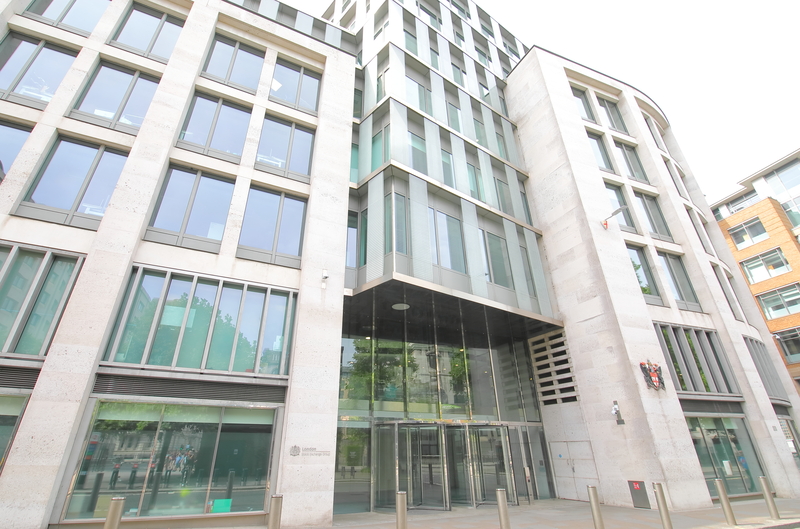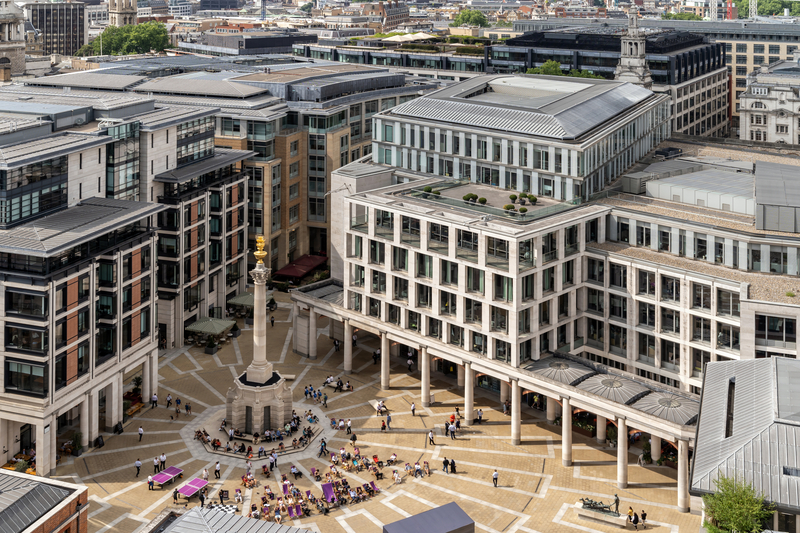
London Stock Exchange: A 300-Year Legacy of Global Finance

The London Stock Exchange stands as one of the world's oldest and most influential financial institutions, shaping global markets for over three centuries. From its humble beginnings in 17th-century coffeehouses to its current position as a technological powerhouse, the LSE has weathered wars, economic crises, and countless transformations while maintaining its status as a cornerstone of international finance.

banner
Article Bullets

Understanding the London Stock Exchange means exploring not just a marketplace, but a living piece of financial history that continues to drive economic growth, facilitate capital formation, and connect investors worldwide. This comprehensive profile examines the exchange's remarkable journey, current operations, and future prospects in an increasingly digital financial landscape.

The London Stock Exchange didn't emerge from corporate boardrooms or government decree—it began in the bustling coffeehouses of 17th-century London. Merchants and traders gathered at Jonathan's Coffee House in Change Alley to buy and sell shares, creating an informal but effective marketplace for securities trading.

The exchange's formal establishment came in 1801 when traders outgrew their coffeehouse origins and established a proper trading floor. This marked the beginning of organized securities trading in London, setting the foundation for what would become one of the world's most important financial institutions.
Key founding principles established during this period included transparent pricing, standardized trading procedures, and membership requirements that ensured market integrity. These early innovations would prove crucial as the exchange evolved to meet the needs of an expanding global economy.

Evolution Through the Centuries

London Stock Exchange

The Industrial Revolution Era

The LSE's growth accelerated dramatically during the Industrial Revolution. As British companies expanded their operations and required capital for new ventures, the exchange became the primary venue for raising funds. Railway companies, mining operations, and manufacturing enterprises all turned to the LSE to finance their ambitious projects.
During this period, the exchange established many of the practices that remain standard today, including detailed listing requirements, regular financial reporting, and standardized trading procedures. The LSE's role in financing Britain's industrial expansion cemented its reputation as a reliable and efficient capital market.

20th Century Challenges and Adaptations

The two World Wars presented unprecedented challenges for the LSE. During World War I, the exchange closed for several months—the first time in its history—due to financial instability. However, it quickly adapted to wartime conditions, implementing new trading procedures and helping the government raise funds through war bonds.
The post-war period brought significant technological advances. The introduction of electronic trading systems in the 1980s revolutionized how securities changed hands, moving away from the traditional open-outcry system to computer-based transactions. This transformation, known as "Big Bang," occurred on October 27, 1986, and fundamentally changed the structure of the London financial markets.

Modern Era Developments

The 21st century has seen the LSE embrace digital transformation while expanding its global reach. The exchange has invested heavily in technology infrastructure, enabling high-frequency trading and providing advanced market data services. These innovations have helped maintain London's position as a leading global financial center despite increasing competition from other markets.

Major Milestones and Transformative Events

The 2007 IPO and Public Ownership

The London Stock Exchange Group went public in 2007, listing its own shares on the main market. This initial public offering marked a significant transition from a member-owned organization to a publicly traded company, allowing greater access to capital for expansion and modernization.
The IPO raised substantial funds that the exchange used to invest in technology, expand internationally, and acquire complementary businesses. This transition to public ownership aligned the exchange's interests with shareholders while maintaining its commitment to market integrity and efficiency.

Strategic Acquisitions and Expansion

The LSE has grown through strategic acquisitions that have expanded its capabilities and geographic reach. Notable acquisitions include:
  • Borsa Italiana (2007): This acquisition gave the LSE a strong presence in European markets and access to Italy's derivatives trading expertise.
  • Russell Investments Index Business (2014): The purchase of Russell's index business strengthened the LSE's position in data and analytics services.
  • Refinitiv (2021): The acquisition of this financial data provider marked the LSE's largest ever deal, transforming it into a comprehensive financial information and technology company.
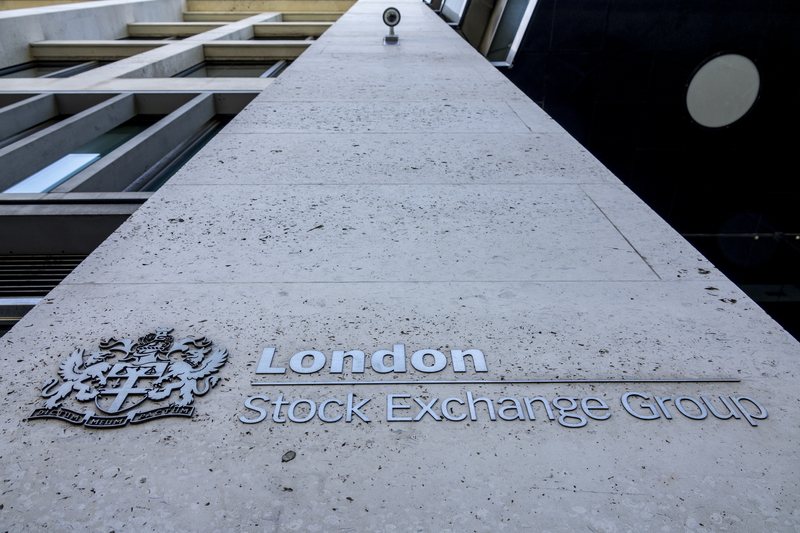
These acquisitions have diversified the LSE's revenue streams beyond traditional trading fees, creating a more resilient business model.
LSE

Organizational Structure and Operations

Corporate Governance

The London Stock Exchange Group operates under a robust governance framework designed to ensure market integrity and protect investor interests. The board of directors includes independent members with diverse expertise in finance, technology, and regulation.
The exchange maintains separate divisions for different market segments, including the Main Market for established companies, AIM (Alternative Investment Market) for smaller growth companies, and various specialist markets for bonds, derivatives, and other financial instruments.

Market Segments and Services

The LSE operates multiple market segments to serve different types of issuers and investors:

  • Main Market: Home to the largest and most established companies, including FTSE 100 constituents. This market maintains the highest listing standards and regulatory requirements.
  • AIM: Designed for smaller, growing companies that need access to capital but may not meet Main Market requirements. AIM offers more flexible listing criteria while maintaining appropriate investor protections.
  • Specialist Markets: Including the Professional Securities Market for wholesale investors and various bond markets for government and corporate debt securities.

Listing Requirements and Standards

Main Market Criteria

Companies seeking to list on the LSE's Main Market must meet stringent requirements designed to protect investors and maintain market quality. Key requirements include:

  • Financial Track Record: Companies must demonstrate a minimum three-year trading history with audited financial statements.
  • Market Capitalization: Minimum market value requirements ensure that only companies of sufficient size and liquidity can access the main market.
  • Corporate Governance: Compliance with UK Corporate Governance Code and other regulatory standards.
  • Transparency: Commitment to ongoing disclosure requirements and regular financial reporting.


AIM Listing Process

The Alternative Investment Market offers a more flexible approach to public listing, designed for growing companies that may not yet meet Main Market requirements. AIM requirements include:

  • Nominated Adviser (NOMAD): Companies must retain a NOMAD who provides ongoing guidance and ensures compliance with AIM rules.
  • Appropriate Advisers: Legal and financial advisers must be appointed to support the listing process.
  • Disclosure Document: Comprehensive information about the company's business, finances, and prospects must be provided to investors.

Trading and Settlement Infrastructure

Electronic Trading Systems

The LSE operates sophisticated electronic trading platforms that handle millions of transactions daily. The current system, based on the Millennium Exchange technology, provides:

  • High-Speed Execution: Order matching and execution in microseconds
  • Comprehensive Market Data: Real-time price information and trading statistics
  • Risk Management: Built-in controls to prevent market manipulation and excessive volatility


Settlement and Clearing

The exchange works closely with settlement and clearing organizations to ensure smooth completion of trades. The standard settlement cycle is T+2, meaning trades settle two business days after execution. This system ensures that buyers receive their securities and sellers receive payment efficiently and securely.

Market Making and Liquidity

The LSE maintains a market-making system that ensures continuous liquidity for listed securities. Designated market makers commit to providing buy and sell quotes for specific securities, helping maintain orderly markets and tight bid-ask spreads.

Regulatory Framework and Oversight

Financial Conduct Authority (FCA)

The FCA serves as the primary regulator for the LSE, overseeing market operations, listing standards, and trading practices. This regulatory relationship ensures that the exchange operates in the public interest while maintaining competitive markets.

The FCA's regulatory approach focuses on:

  • Market Integrity: Preventing market abuse and ensuring fair trading conditions
  • Investor Protection: Safeguarding retail and institutional investors through appropriate disclosure and conduct standards
  • Systemic Risk Management: Monitoring and addressing risks that could affect the broader financial system


International Regulatory Cooperation
The LSE actively participates in international regulatory initiatives, working with organizations like IOSCO (International Organization of Securities Commissions) to develop global standards for securities markets. This cooperation helps maintain London's attractiveness to international issuers and investors.
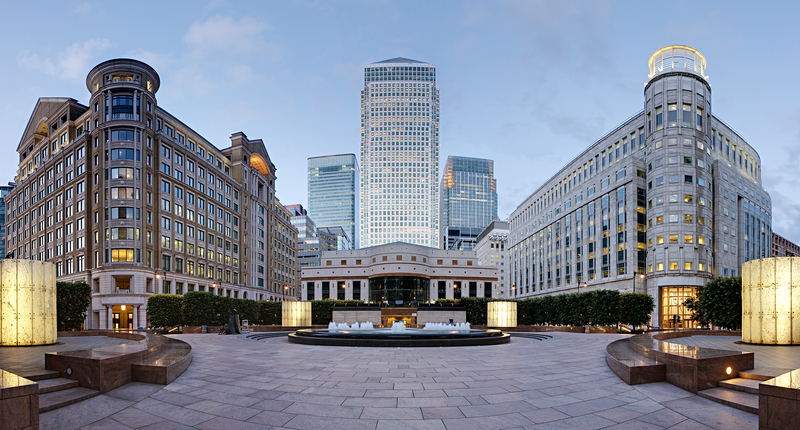
London Financial CEnter

Ownership Structure and Stakeholders

Shareholder Base

The London Stock Exchange Group is owned by public shareholders, with shares traded on its own Main Market. The shareholder base includes institutional investors, pension funds, and individual investors from around the world.
Major shareholders typically include large asset management companies and financial institutions that value the exchange's stable cash flows and growth prospects. The diverse ownership structure helps ensure that the exchange operates in the interests of multiple stakeholders rather than any single controlling party.

Stakeholder Engagement

The LSE maintains active relationships with various stakeholder groups, including:

  • Listed Companies: Through regular consultation and feedback mechanisms
  • Investors: Via market data services and investor relations activities
  • Regulators: Through ongoing compliance and policy development discussions
  • Technology Partners: To ensure continued innovation and system reliability

Economic Impact and Role in UK Finance

Capital Formation

The LSE plays a crucial role in the UK economy by facilitating capital formation for businesses. Companies raise billions of pounds annually through IPOs, secondary offerings, and bond issuances on the exchange. This capital supports business expansion, job creation, and economic growth across various sectors.

International Investment Gateway

London's position as a global financial center is significantly enhanced by the LSE's international reach. The exchange attracts companies and investors from around the world, creating a diverse marketplace that benefits from global capital flows and expertise.

Employment and Economic Multiplier Effects

The LSE directly employs thousands of people and supports many more jobs in related industries including investment banking, legal services, accounting, and financial technology. The exchange's presence contributes to London's status as a leading financial center, attracting talent and investment from around the world.

Global Competitive Position

Comparison with Major Exchanges

The LSE competes with other major global exchanges including the New York Stock Exchange, NASDAQ, and Euronext. Key competitive advantages include:

  • Time Zone: London's position allows overlap with both Asian and American trading hours
  • Regulatory Environment: Well-developed legal and regulatory framework
  • Language and Culture: English language and common law system familiar to international investors
  • Financial Ecosystem: Comprehensive range of financial services available in London


Market Share and Performance Metrics

The LSE consistently ranks among the top global exchanges by market capitalization of listed companies and trading volume. The exchange's performance is measured not only by traditional metrics but also by its ability to attract high-quality listings and maintain efficient, liquid markets.

Strategic Partnerships and Collaborations

International Alliances

The LSE has formed strategic partnerships with exchanges and financial institutions worldwide to expand its reach and capabilities. These partnerships facilitate cross-border trading, information sharing, and product development.

Technology Partnerships

Collaboration with technology providers ensures that the LSE remains at the forefront of financial technology innovation. These partnerships enable the exchange to offer advanced trading systems, market data services, and risk management tools.

Academic and Research Collaborations

The exchange works with universities and research institutions to develop new financial products, improve market structure, and train the next generation of finance professionals. These collaborations help maintain London's position as a center for financial innovation.
London Stock Exchange Square

Future Outlook and Strategic Challenges

Digital Transformation

The LSE continues to invest heavily in digital technologies, including artificial intelligence, blockchain, and cloud computing. These investments aim to improve market efficiency, reduce costs, and enable new types of financial products and services.

Regulatory Evolution

Changes in regulatory frameworks, both domestically and internationally, present both opportunities and challenges for the LSE. The exchange must adapt to new requirements while maintaining its competitiveness and appeal to international participants.

Competition and Market Fragmentation

Increasing competition from alternative trading venues, cryptocurrency exchanges, and technology-driven platforms requires the LSE to continuously innovate and demonstrate its value proposition to market participants.

Sustainability and ESG Focus

Growing emphasis on environmental, social, and governance (ESG) factors is reshaping capital markets. The LSE has responded by developing new ESG-focused indices, listing requirements, and data services to meet evolving investor demands.

The LSE's Enduring Legacy and Future Promise

The London Stock Exchange's three-century journey from coffeehouses to cutting-edge electronic trading platforms demonstrates the institution's remarkable ability to adapt and evolve. As global finance continues to transform, the LSE's combination of historical credibility, technological innovation, and strategic positioning ensures its continued relevance in the international financial system.
The exchange's success stems not just from its trading capabilities, but from its role as a comprehensive financial infrastructure provider serving companies, investors, and market participants worldwide. Through strategic acquisitions, technological investments, and regulatory leadership, the LSE has built a platform for sustainable growth that extends far beyond traditional securities trading.
Looking ahead, the London Stock Exchange faces both opportunities and challenges in an increasingly digital and interconnected world. Its ability to embrace new technologies while maintaining the trust and reliability that have defined its legacy will determine its success in the decades to come. For investors, companies, and financial professionals worldwide, the LSE remains an essential institution that continues to shape the future of global finance.

No Financial or Investment Advice: The content on this Site is for informational purposes only, you should not construe any such information or other material as legal, tax, investment, financial, or other advice. Nothing contained on our Site constitutes a solicitation, recommendation, endorsement, or offer by Smartvest Securities to buy or sell securities or other financial instruments in this or in in any other jurisdiction in which such solicitation or offer would be unlawful under the securities laws of such jurisdiction. Nothing in the Site constitutes professional and/or financial advice, nor does any information on the Site constitute a comprehensive or complete statement of the matters discussed or the law relating thereto. Smartvest Securities is not a fiduciary by virtue of any person’s or entity’s use of or access to the Site. You alone assume the sole responsibility of evaluating the merits and risks associated with the use of any information or other content on the Site before making any decisions based on such information or other content. In exchange for using the Site, you agree not to hold Smartvest Securities, or its affiliates liable for any possible claim for damages arising from any decision you make based on information or other content made available to you through the Site.