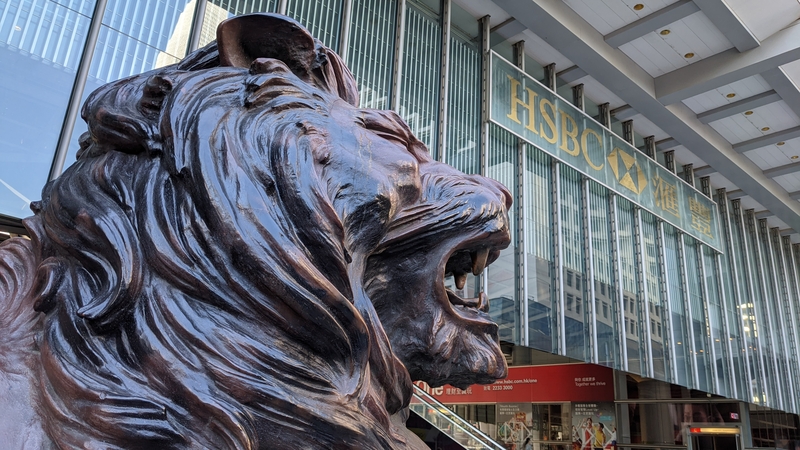
Renowned for serving more than 39 million customers in 66 countries and territories, HSBC is a name that stands for stability, growth, and international presence.
Charting a Course Through the Ages

The Genesis of a Banking Behemoth
HSBC's origins can be traced back to 1865, in the bustling port city of Hong Kong. Its founder, Thomas Sutherland, a Scottish businessman working for the Peninsular and Oriental Steam Navigation Company, saw an urgent need for local banking facilities in Hong Kong and the broader Chinese market. His vision was to create a bank that would facilitate the burgeoning trade between China, Europe, and India. This pioneering spirit led to the establishment of HSBC, marking the inception of its mission to bridge the gap between the East and the West.The early years of HSBC were characterized by rapid growth and expansion. The bank played a critical role in the financial activities of the time, including issuing loans, handling the savings of the local population, and facilitating trade across borders. Its operations quickly expanded beyond Hong Kong, establishing branches in Shanghai, London, and other parts of Asia. By the turn of the century, HSBC had become a cornerstone of international finance, supporting infrastructure projects like railways and ports, which were pivotal for trade and economic growth.
The story of HSBC is not just about financial transactions; it's about understanding the dynamics of global trade and the interconnectivity of the world's economies. This narrative continues to evolve, as HSBC adapts to the challenges and opportunities of the 21st century.
Weathering the Storms of Economic Tumult

The bank's resilience was tested in the following decades by wars, economic depressions, and political upheavals. Yet, HSBC not only persisted but flourished, expanding its presence not only across Asia but further afield to Europe and the Americas. The intrigue of financing international trade and the bank's steadfastness in tumultuous times set the stage for its role as an economic barometer for global financial health.
The Inner Workings of HSBC Today
An Empire on Which the Sun Never Sets
HSBC's contemporary structure is a testament to its historical prowess and adaptability in the face of an ever-changing global financial landscape. Boasting one of the largest banking and financial services operations worldwide, HSBC operates in over 66 countries and territories, spanning Europe, Asia, the Americas, and the Middle East and North Africa. The bank's strategy focuses on leveraging its unique position in high-growth markets, while also solidifying its presence in the more mature economies.
This global empire is supported by a diversified business model that encompasses retail banking and wealth management, commercial banking, global banking and markets, and global private banking. HSBC's commitment to innovation is also evident in its adoption of digital banking technologies, aiming to meet the evolving needs of its customers in the digital age. Whether it's through mobile banking apps, blockchain for trade finance, or sustainable financing initiatives, HSBC continues to forefront the integration of technology and finance.
With over 3,900 offices worldwide, HSBC's current reach is truly staggering. Today, it stands as a testament to the impact of globalization and the unrelenting pace of international business. Exploring HSBC's ultra-modern offices in landmark buildings across the globe is a testament to the bank's commitment to being where its customers need it the most.
Digitization and the Fintech Frontier
ESG and the New Imperatives of Banking
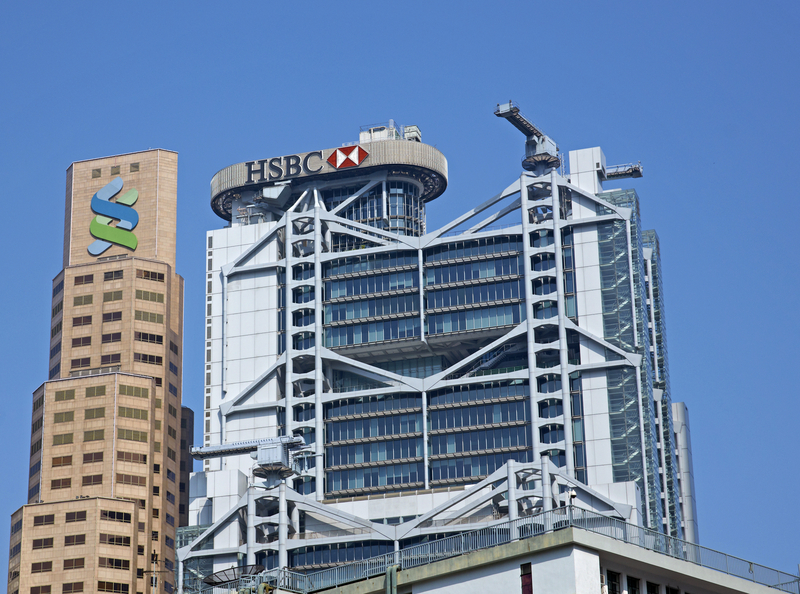
Environmental, Social, and Governance (ESG) considerations have increasingly become a critical factor in the strategic planning of major institutions, and HSBC is at the forefront of integrating these considerations into its operations. The bank is actively pursuing sustainability goals, financing projects aimed at combating climate change, supporting social development, and ensuring strong governance practices. HSBC's commitment to ESG principles is not just a response to regulatory demand, but a recognition of the changing expectations of consumers, stakeholders, and society at large. This commitment is evidenced by its investments in renewable energy, sustainable finance, and initiatives aimed at promoting financial inclusion and literacy. By aligning its business practices with ESG criteria, HSBC is not only contributing to a more sustainable and equitable world but is also ensuring its long-term resilience and relevance in the rapidly evolving financial sector.There's a groundswell of interest in Environmental, Social, and Governance (ESG) factors within the investment community, and HSBC is at the forefront of this movement.
An Investment Opportunity, or a Legacy to Preserve?