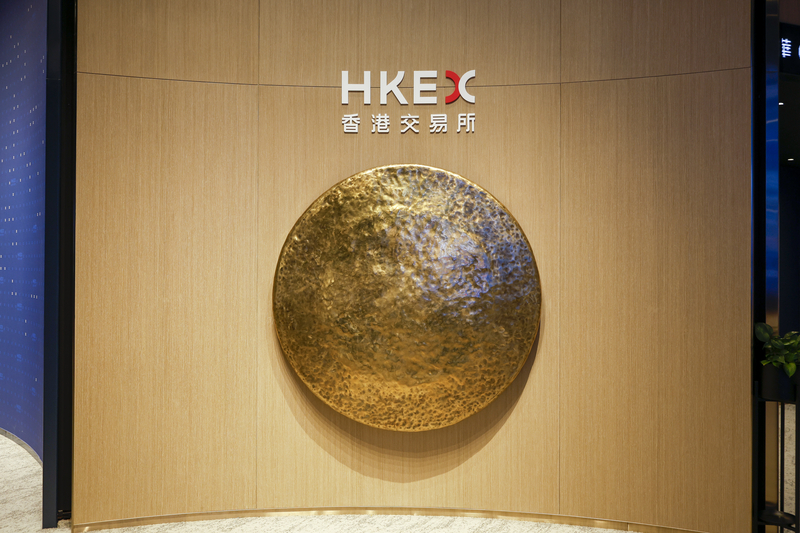
From its humble beginnings in 1891 to its current status as the world's fourth-largest stock exchange by market capitalization, HKEX has weathered political upheavals, economic crises, and global transformations while maintaining its position as an essential bridge between China and international markets.
Colonial Origins and Early Development (1891-1914)
Growth Through Political Upheaval (1914-1949)
Post-War Reconstruction and Expansion (1949-1980)
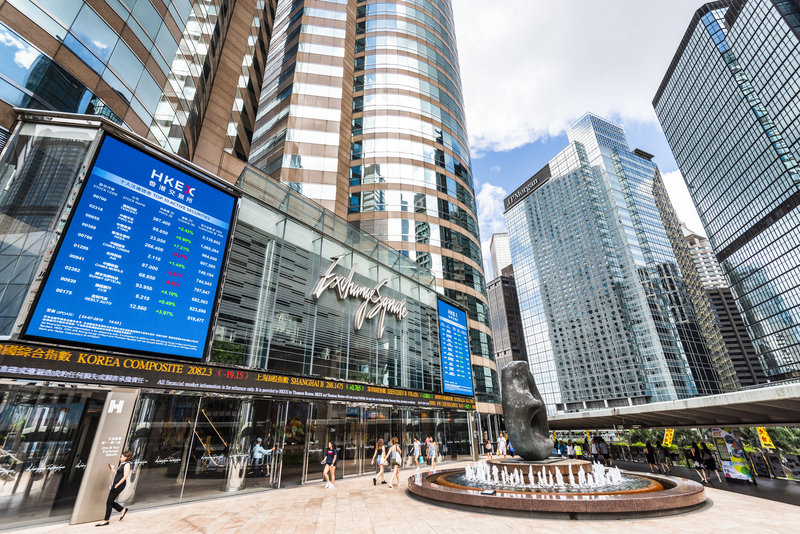
Modern Evolution and Transformation
The Formation of Unified HKEX (1980-1986)
Demutualization and Public Listing (2000)
The China Growth Story (2000-Present)
Key Milestones and Strategic Developments
Technological Innovation
- 1986: Implemented the Automatic Order Matching and Execution System (AMS), one of Asia's first electronic trading systems.
- 1993: Launched the Central Clearing and Settlement System (CCASS), providing efficient post-trade processing.
- 2012: Introduced the Orion Trading System, offering enhanced speed and capacity for modern trading requirements.
- 2020: Launched the Synapse data platform, providing comprehensive market data and analytics services.
Market Structure Innovations
- 1993: Introduction of H-shares, allowing mainland Chinese companies to list in Hong Kong while maintaining their mainland incorporation.
- 2014: Launch of Shanghai-Hong Kong Stock Connect, enabling cross-border trading between Hong Kong and mainland markets.
- 2018: Implementation of a new listing regime allowing companies with weighted voting rights and pre-revenue biotech companies to list.
- 2019: Introduction of SPAC (Special Purpose Acquisition Company) listings, expanding the range of available investment structures.
International Expansion
HKEX has actively pursued international growth through strategic partnerships and acquisitions:
- Acquired the London Metal Exchange in 2012, expanding into commodities trading
- Established partnerships with exchanges in Shanghai, Shenzhen, and other regional markets
- Developed products and services targeting international investors and issuers
Company Profile and Structure
Business Segments and Operations
- Trading: Facilitates the trading of securities, derivatives, and commodities across multiple markets and time zones.
- Clearing: Provides central clearing services for all traded products, managing counterparty risk and ensuring market integrity.
- Settlement: Operates settlement systems that ensure the safe and efficient transfer of securities and funds.
- Depository Services: Maintains custody and depository services for securities, supporting both local and international investors.
- Market Data: Provides comprehensive market data and information services to support investment decisions and market analysis.
Listing and Trading Information
As a publicly traded company, HKEx provides transparency into its operations and performance:
- Stock Code: 0388 (Hong Kong Stock Exchange)
- Market Capitalization: Approximately $60 billion (varies with market conditions)
- Dividend Policy: Regular dividend payments to shareholders, reflecting the company's stable cash flows from exchange operations
- Financial Performance: Consistent profitability driven by diversified revenue streams from trading, clearing, and data services
The company's financial success reflects the strength of Hong Kong's capital markets and its position as a leading international financial center.
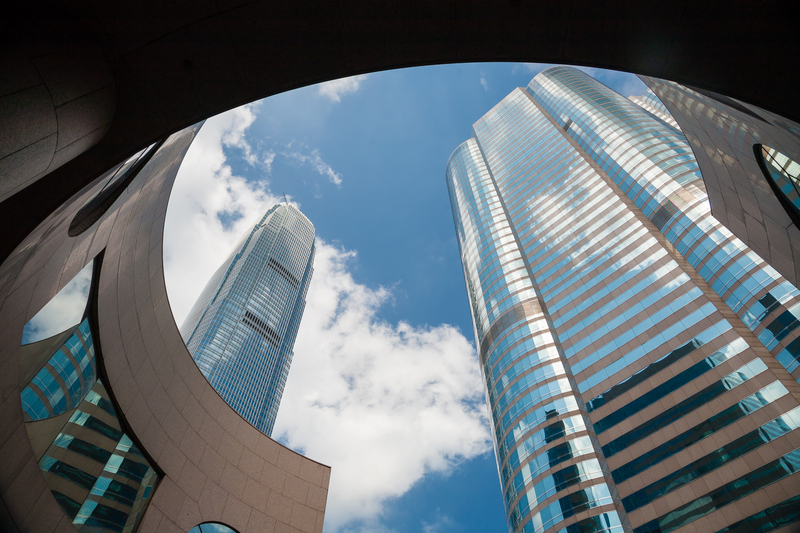
Market Performance and Global Standing
Historical Market Trends
HKEX has demonstrated remarkable growth over the past decades, with several key performance indicators highlighting its success:
- Market Capitalization Growth: From less than $100 billion in the 1980s to over $6 trillion today, reflecting both the listing of new companies and the growth of existing ones.
- Trading Volume: Consistent increases in both the number of transactions and total value traded, supported by growing international participation.
- IPO Activity: Regular position among the world's top exchanges for new listings, particularly for Chinese companies seeking international capital.
Major Listings and Market Capitalization
HKEX hosts some of the world's largest and most valuable companies:
- Technology Giants: Alibaba Group, Tencent Holdings, and Meituan represent the new economy and have achieved enormous market capitalizations.
- Financial Institutions: ICBC, China Construction Bank, and other major Chinese banks form a significant portion of the exchange's market value.
- Traditional Industries: Companies in shipping, real estate, and manufacturing continue to play important roles in the market
- International Companies: Multinational corporations have chosen Hong Kong as their listing venue, adding diversity to the market.
Comparison with Global Stock Exchanges
HKEX consistently ranks among the world's top stock exchanges by various measures:
- Market Capitalization: Typically fourth or fifth globally, behind the New York Stock Exchange, NASDAQ, and competing with other major exchanges.
- Trading Volume: High levels of daily trading activity, supported by both local and international investors.
- IPO Fundraising: Often leads global rankings for initial public offering activity, particularly for large-scale listings.
- International Participation: High levels of foreign investment and international company listings distinguish Hong Kong from many other Asian markets.
Ownership Structure and Governance
Shareholder Composition
Hong Kong Exchanges and Clearing Limited maintains a diverse shareholder base that includes:
- Institutional Investors: Pension funds, insurance companies, and asset managers hold significant stakes in the company.
- Retail Shareholders: Individual investors participate in the ownership of the exchange operator.
- Government Entities: The Hong Kong government maintains certain interests through various vehicles.
- International Investors: Foreign institutions and individuals participate in the exchange's ownership.
This diversified ownership structure ensures balanced governance and prevents any single party from exercising undue control over the exchange's operations.
Corporate Governance Framework
HKEX operates under a robust corporate governance framework designed to ensure market integrity and stakeholder protection:
- Board of Directors: Comprises independent directors and executive management, providing strategic oversight and ensuring compliance with regulatory requirements.
- Regulatory Compliance: Operates under the oversight of the Securities and Futures Commission (SFC) and other relevant regulatory bodies.
- Risk Management: Maintains comprehensive risk management systems to protect market participants and ensure operational stability.
- Stakeholder Engagement: Regular communication with listed companies, investors, and market participants to gather feedback and improve services.
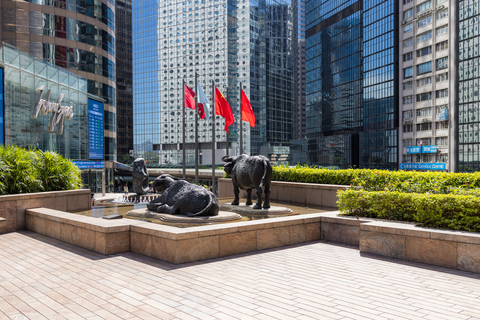
Regulatory Environment and Compliance
Regulatory Framework
HKEX operates within a sophisticated regulatory framework designed to ensure market integrity and investor protection:
- Securities and Futures Commission (SFC): Serves as the primary regulator for Hong Kong's securities markets, setting rules and monitoring compliance.
- Hong Kong Monetary Authority (HKMA): Oversees monetary policy and financial stability, working closely with the exchange on systemic issues.
- Companies Registry: Manages company incorporation and disclosure requirements for listed companies.
- Financial Reporting Council: Oversees auditing and financial reporting standards for listed companies.
Listing Requirements and Standards
The exchange maintains comprehensive listing requirements designed to protect investors and maintain market quality:
- Financial Standards: Minimum profit, revenue, and market capitalization requirements vary by market segment and company type.
- Corporate Governance: Requirements for board composition, audit committees, and internal controls ensure proper oversight.
- Disclosure Obligations: Comprehensive reporting requirements keep investo
- Continuous Obligations: Ongoing requirements for listed companies include regular financial reporting and disclosure of material information.
Investor Protection Measures
HKEX has implemented numerous measures to protect investors and maintain market integrity:
- Investor Compensation Fund: Provides compensation to investors in case of broker default or misconduct.
- Clearing and Settlement: Robust clearing and settlement systems minimize counterparty risk and ensure trade completion.
- Education and Disclosure: Comprehensive investor education programs and disclosure requirements help investors make informed decisions.
Trading Operations and Infrastructure
Trading Hours and Procedures
HKEX operates during standard Hong Kong business hours, with specific sessions designed to accommodate different market participants:
- Pre-opening Session: 9:00 AM - 9:30 AM (Hong Kong Time) - Order input and cancellation without trading
- Morning Session: 9:30 AM - 12:00 PM (Hong Kong Time) - Active trading period
- Lunch Break: 12:00 PM - 1:00 PM (Hong Kong Time) - No trading
- Afternoon Session: 1:00 PM - 4:00 PM (Hong Kong Time) - Active trading period
- Post-closing Session: 4:00 PM - 4:10 PM (Hong Kong Time) - Limited trading activities
This structure accommodates both local investors and international participants across different time zones.
Technology and Infrastructure
The exchange operates state-of-the-art technology infrastructure designed to handle high volumes of trading activity:
- Trading Systems: Advanced electronic trading platforms capable of processing millions of orders per day with minimal latency.
- Data Centers: Redundant data centers ensure continuous operation and business continuity in case of technical issues.
- Connectivity: High-speed connections enable rapid order transmission and execution for both local and international participants.
- Security: Comprehensive cybersecurity measures protect against threats and ensure the integrity of trading operations.
Market Participants and Accessibility
HKEX serves a diverse range of market participants:
- Retail Investors: Individual investors can access markets through licensed brokers and online trading platforms.
- Institutional Investors: Pension funds, insurance companies, and asset managers participate directly or through intermediaries.
- International Investors: Foreign institutions and individuals can access Hong Kong markets through various channels.
- Market Makers: Professional trading firms provide liquidity and facilitate efficient price discovery.
The exchange's accessibility to international investors has been a key factor in its global success and growth.
Global Influence and Strategic Initiatives
HKEX's Role in International Finance
Hong Kong's stock exchange has established itself as a crucial component of the global financial system:
- Gateway to China: Serves as the primary platform for international investment in Chinese companies and markets.
- Asian Financial Hub: Facilitates cross-border capital flows and investment throughout the Asia-Pacific region.
- International Listings: Attracts companies from around the world seeking access to Asian capital markets.
- Currency Hub: Supports trading in multiple currencies, including the renminbi internationalization initiative.
Cross-Border Initiatives and Partnerships
The exchange has pioneered several groundbreaking cross-border initiatives:
- Stock Connect Programs: Direct trading links with Shanghai and Shenzhen have revolutionized cross-border investment between Hong Kong and mainland China.
- Bond Connect: Enables international investors to access China's bond markets through Hong Kong's infrastructure.
- Mutual Recognition of Funds: Facilitates cross-border distribution of investment funds between Hong Kong and mainland China.
- International Partnerships: Strategic alliances with other exchanges and financial institutions expand global reach and capabilities.
Impact on Global Markets
HKEX's influence extends far beyond Hong Kong's borders:
- Price Discovery: The exchange's pricing of Chinese companies influences global investment decisions and market sentiment.
- Capital Allocation: Facilitates efficient allocation of international capital to Asian growth opportunities.
- Market Integration: Promotes integration between Chinese and international financial markets.
- Innovation: Develops new products and services that are adopted by other exchanges and financial institutions globally.
Current Challenges and Future Opportunities
Challenges Facing HKEX
The exchange faces several significant challenges in the current environment:
- Geopolitical Tensions: Rising tensions between China and the West create uncertainty for international investors and companies.
- Regulatory Changes: Evolving regulatory requirements in multiple jurisdictions require constant adaptation and compliance.
- Competition: Increased competition from other Asian exchanges and alternative trading venues challenges market share.
- Technology Disruption: Rapid technological change requires continuous investment in systems and capabilities.
- Economic Uncertainty: Global economic volatility affects trading volumes and market sentiment.
Future Growth Opportunities
Despite challenges, HKEX sees numerous opportunities for growth and expansion:
- China's Continued Opening: Further liberalization of Chinese financial markets creates new opportunities for international investment.
- Belt and Road Initiative: China's global infrastructure initiative may create new listing and financing opportunities.
- Technology Sector Growth: The expansion of Asian technology companies provides new high-growth listings.
- Sustainable Finance: Growing focus on environmental, social, and governance (ESG) investing creates new product opportunities.
- Digital Innovation: Blockchain, artificial intelligence, and other technologies offer new ways to serve market participants.
Innovation and Technological Advancement
HKEX continues to invest heavily in innovation to maintain its competitive position:
- Digital Assets: Exploring opportunities in cryptocurrency and digital asset trading while maintaining regulatory compliance.
- Artificial Intelligence: Implementing AI and machine learning to improve market surveillance, risk management, and customer service.
- Cloud Computing: Leveraging cloud technology to enhance scalability and reduce operational costs.
- Data Analytics: Developing advanced analytics capabilities to provide better insights to market participants.
- Blockchain Technology: Investigating blockchain applications for clearing, settlement, and other operational functions.