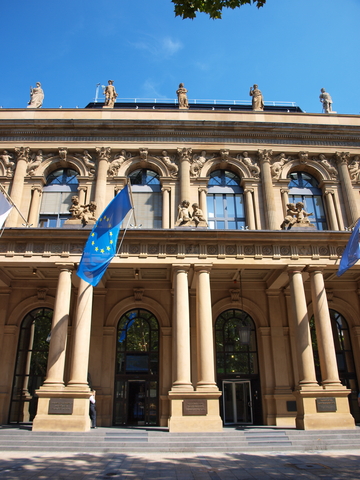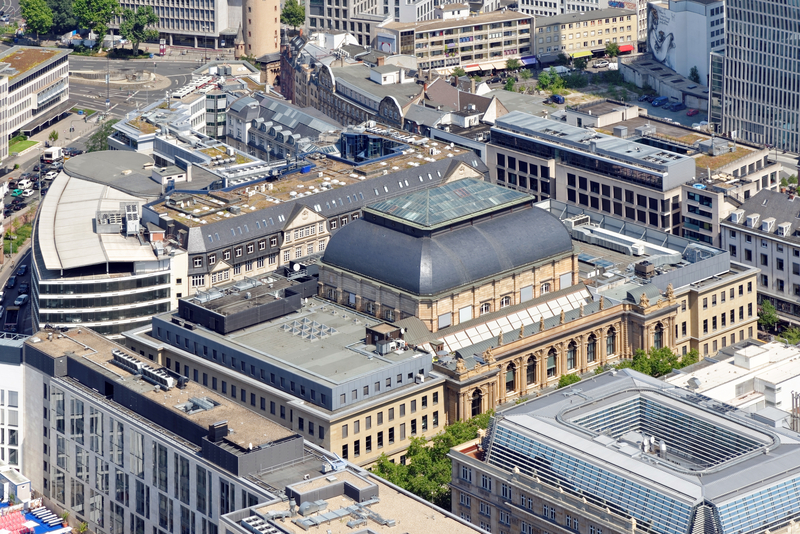
This comprehensive guide explores the rich history, current operations, and future prospects of the Frankfurt Stock Exchange, examining how it has evolved from a medieval trading post into a modern financial powerhouse that shapes global investment flows.
Medieval Origins and Early Development
Growth Through the Centuries
20th Century Challenges and Reconstruction
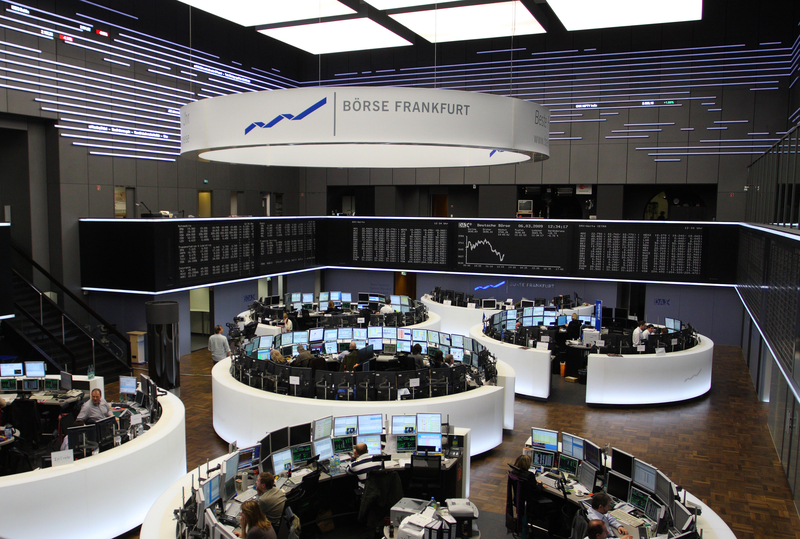
Modern Structure and Operations
Deutsche Börse AG: The Parent Company
Governance and Leadership
Listing Requirements and Procedures
Trading Platforms and Financial Products
Xetra: The Electronic Trading System
Diverse Product Portfolio
Equities: German and international stocks, including DAX 40 companies and smaller enterprises across various sectors.
Bonds: Government securities, corporate bonds, and international debt instruments, making Frankfurt a major European bond trading center.
Exchange-Traded Funds (ETFs): One of the world's largest ETF trading venues, offering thousands of products covering global markets and strategies.
Derivatives: Through its partnership with Eurex, the exchange provides access to futures and options on major indices, individual stocks, and fixed-income securities.
Market Indices and Benchmarks
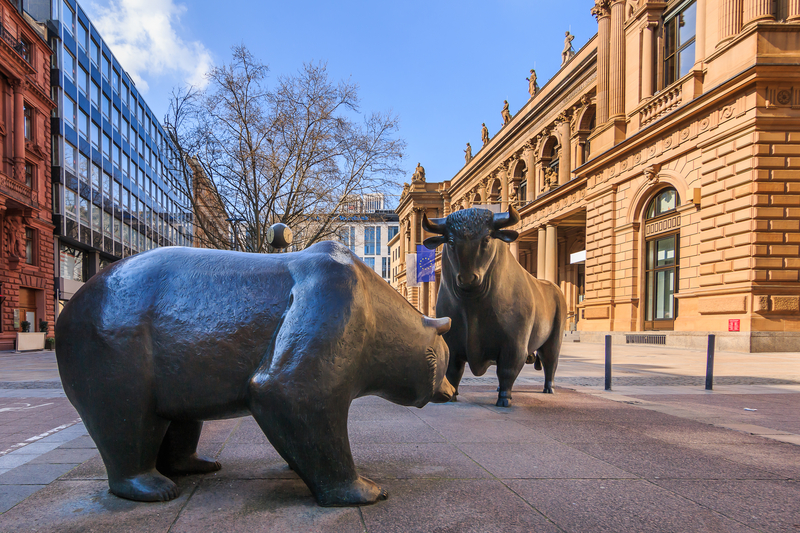
Economic Impact and Global Influence
Role in the German Economy
European Financial Integration
Global Connectivity and Partnerships
Ownership Structure and Strategic Alliances
Shareholder Composition
Key Partnerships and Alliances
Future Prospects and Challenges
Technological Innovation
Regulatory Evolution
Competition and Market Dynamics