Whether you’re planning for retirement, investing in stocks, or opening a savings account, numerous organizations work behind the scenes to make your financial experience safe and fair. These agencies and regulatory bodies oversee everything from bank stability to how your broker handles your investment trades. By grasping what each group does, you gain confidence in making smarter financial decisions and understanding your rights as a consumer or investor.
1.The Federal Reserve - The US Economy’s Central Anchor
Role and Mandate
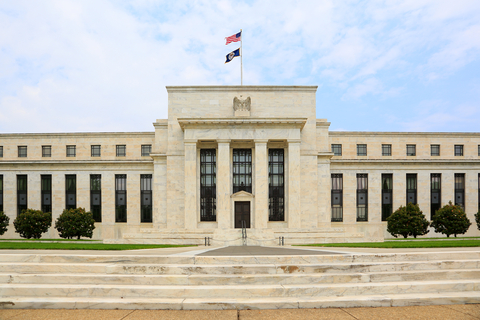
Think of the Federal Reserve (the Fed) as the central bank of the United States. Its primary mission is to keep the economy stable by striking a balance between controlling inflation and supporting employment. The Fed does this by adjusting interest rates, setting reserve requirements for banks, and regulating the money supply.
Structure
- Board of Governors: Seven members based in Washington, D.C., appointed by the President.
- Twelve Regional Banks: Located across key US cities, serving both public and private banking interests.
- Federal Open Market Committee (FOMC): Combines the Board and presidents from regional banks to set monetary policy.
Economic Impact
When the Fed raises or lowers interest rates, borrowing becomes more or less expensive. This can drive or slow economic growth. The Fed also steps in during financial crises, like in 2008, to provide extra liquidity to banks and stabilize the markets.
2.Federal Deposit Insurance Corporation (FDIC) - Protects Your Bank Deposits
The Purpose of the FDIC
The FDIC is best known as the agency insuring your deposits at US commercial banks and savings institutions up to $250,000 per depositor, per institution. It was created in the wake of the Great Depression to restore public trust and prevent bank runs.
How the FDIC Maintains Financial Stability
The FDIC examines and supervises member banks for soundness and risk. If an insured bank fails, the FDIC steps in to either arrange a smooth transition to another healthy bank or pay depositors directly. Their actions protect not just individuals but also the wider banking system.
The Securities Investor Protection Corporation SIPC
The SIPC isn’t a government agency but a nonprofit created by Congress. Its primary aim is protecting customers of brokerage firms that are members of the SIPC if those firms fail financially. While SIPC won’t insure you against investment losses, it will help recover missing stocks or cash up to $500,000 (including a $250,000 limit for cash) from failed brokerages.
3.Consumer Financial Protection Bureau CFPB - Standing Up for Consumers
Why the CFPB Exists
The Consumer Financial Protection Bureau (CFPB) was founded after the 2008 financial crisis. Its goal is to protect consumers when they deal with banks, lenders, credit card companies, and other financial firms.
What the CFPB Does
- Enforces Consumer Laws: Ensures banks and lenders treat you fairly.
- Cracks Down on Abuses: Investigates complaints about predatory lending, unfair fees, and deceptive advertising.
- Financial Education: Provides tools and resources to help people make informed financial choices.
4.The US Treasury - Government’s Money Manager
Big Picture Responsibilities
The U.S. Department of the Treasury is at the heart of government finance. It collects taxes, manages federal spending and debt, issues government bonds, and helps enforce economic sanctions. The Internal Revenue Service (IRS) is part of the Treasury.
Economic Policy Influence
The Treasury crafts fiscal policies that set the direction for federal spending and taxation, directly influencing economic growth and stability.
5.The SEC - Police of the Securities Markets
Role in Market Oversight
The Securities and Exchange Commission (SEC) regulates stock and options exchanges, investment advisors, and mutual funds. Its top priority is investor protection, market fairness, and enforcing transparency so every investor has access to honest financial information.
Common Functions
- Securities Registration: Companies must file with the SEC before offering stocks/bonds to the public.
- Enforcement: The SEC investigates insider trading, fraud, and other market abuses.
- Disclosure: The SEC requires firms to publish regular and truthful financial reports.
6.FINRA - Watching Over Your Broker
Who is FINRA
The Financial Industry Regulatory Authority (FINRA) oversees brokerage firms and their registered representatives (brokers or financial advisors). FINRA is a nonprofit organization, not a government agency, but works under SEC supervision.
Core Responsibilities
- Licensing and Exams: Ensures brokers are qualified and tested.
- Market Surveillance: Watches trading activity for irregular behavior.
- Consumer Protection: Fields complaints, runs educational programs, and enforces ethical standards.
Other Key Government Financial Entities
While the above agencies get top billing, several others support the US financial system:
- Office of the Comptroller of the Currency (OCC): Regulates and supervises national banks.
- Federal Housing Finance Agency (FHFA): Supervises Fannie Mae and Freddie Mac, which support home lending.
- National Credit Union Administration (NCUA): Regulates and insures credit unions, offering similar protections to what the FDIC provides for banks.
- Office of Financial Research (OFR): Gathers and analyzes data to warn about financial risks.
A More Confident Approach to Your Finances
Building financial literacy means understanding not just products, but the watchdogs and safety nets behind every dollar you save or invest. The Federal Reserve influences economic stability; the FDIC and SIPC protect your deposits and investments; the CFPB fights for fair play; while the SEC and FINRA keep markets honest. Recognize how these entities serve distinct but overlapping missions, all to foster a stable and transparent system.