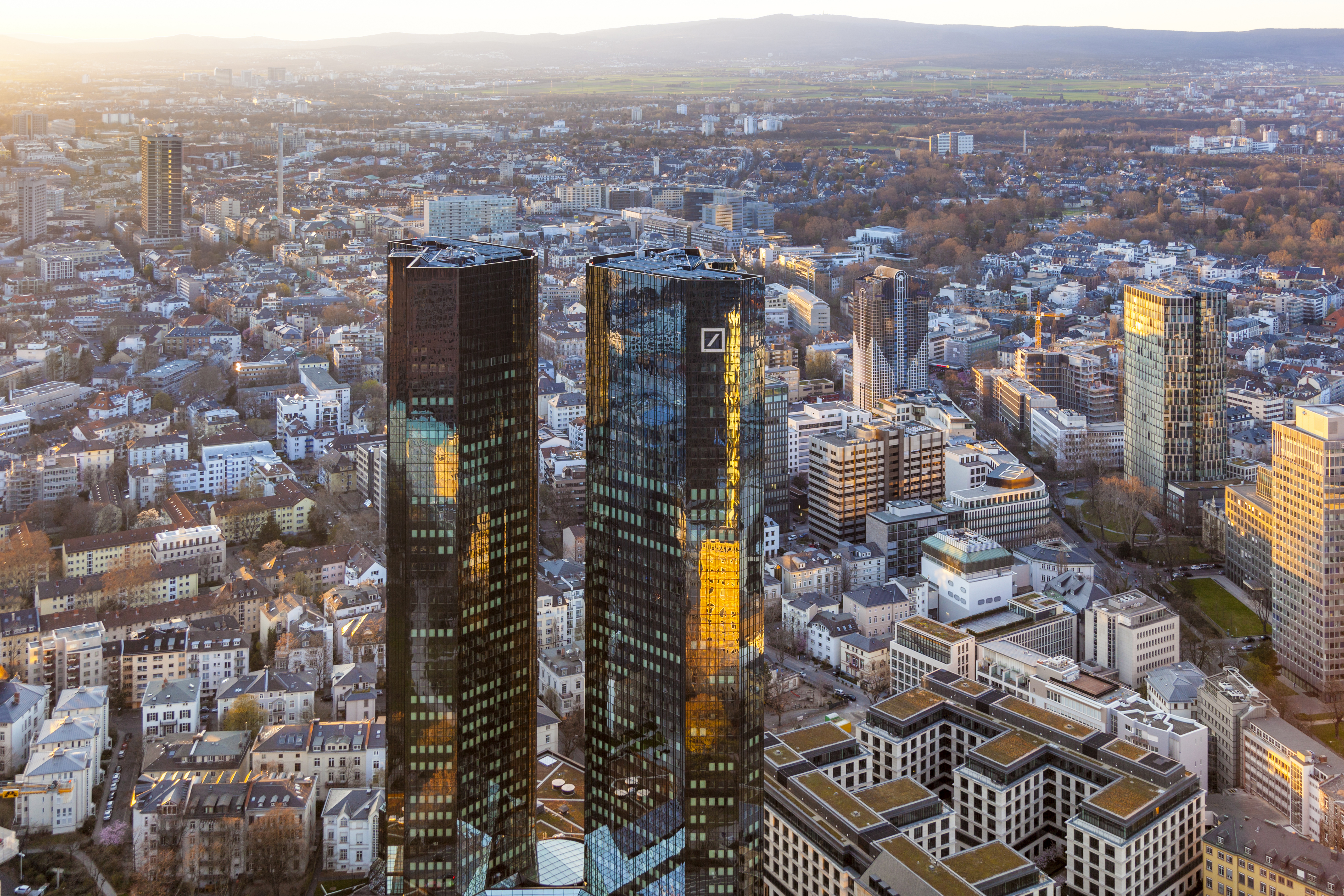
Deutsche Bank has stood as one of the most significant financial institutions in the world. Known for its global influence and long-standing presence, this multinational bank has seen its share of triumphs, challenges, and transformations over the years. From its founding in 1870 to its current role in global finance, Deutsche Bank's story is one of resilience, adaptability, and staying ahead in financial markets.
This article provides a detailed account of Deutsche Bank's history, key milestones, and the
moments that shaped its evolution.
Early Beginnings of Deutsche Bank
Deutsche Bank traces its roots back to Berlin, where it was founded on March 10, 1870. Its
primary aim was to support German enterprises in their international trade ventures, as the
country's influence in global markets was rapidly expanding. Unlike many other banks of the
time, Deutsche Bank was created with a clear international focus, designed to foster global
trade relations and provide businesses with financial support outside Germany.
Key figures in its establishment, such as Georg von Siemens, served as early pioneers in defining its direction. With a vision to connect German businesses with foreign markets, the bank quickly established a reputation for reliability and innovation.
Key figures in its establishment, such as Georg von Siemens, served as early pioneers in defining its direction. With a vision to connect German businesses with foreign markets, the bank quickly established a reputation for reliability and innovation.
The 19th Century Expansion
During its formative years, Deutsche Bank focused on expanding its presence both in Europe and overseas. By the 1880s and 1890s, the bank had become heavily involved in financing industrial sectors, including electrical engineering, steel production, and transportation infrastructure.Some notable milestones during this period included:
- London Office Opening (1873): This move marked Deutsche Bank’s first major venture into international finance.
- Railway Projects in North and Latin America that underscored its willingness to fund significant infrastructure initiatives.
Not only was Deutsche Bank aligning itself with Germany’s growing industries, but it was also
helping German companies establish roots in international markets.
The Early 20th Century and Challenges
The early 20th century saw Deutsche Bank continue its global ambitions, but it also faced
challenges associated with global political instability. Two World Wars would profoundly
influence the financial sector, and Deutsche Bank was no exception.
Impact of World War I
World War I resulted in significant economic upheaval. Deutsche Bank, along with other financial institutions, faced considerable difficulties during and after the war. The Treaty of Versailles and the Great Depression further impacted Germany's economy, and by extension, its key financial institutions. Despite struggling during these tumultuous times, Deutsche Bank managed to restructure itself and retain its foothold in important markets within Germany.Nazi Era and World War II
During the 1930s, Deutsche Bank came under the influence of the Nazi regime and faced ethical and institutional dilemmas during this period. It participated in transactions and acquisitions that included Aryanization efforts, taking over Jewish-owned businesses at unfair prices. Post-World War II, the bank faced criticism and was forced to confront its wartime role, leading to critical reflections and efforts in transparency decades later as it examined its actions during the Nazi regime.Post-War Recovery and Global Reemergence
After World War II, Germany’s banking system was dismantled due to Allied regulations.
Deutsche Bank was split into several regional institutions. However, by 1957, these regional
branches were merged again to re-establish today’s Deutsche Bank.
This marked the beginning of Deutsche Bank's renaissance as a prominent international banking institution, signaling its commitment to restoring its global presence.
This marked the beginning of Deutsche Bank's renaissance as a prominent international banking institution, signaling its commitment to restoring its global presence.
Entering Global Markets
Deutsche Bank reasserted its dominance during the 1970s and 1980s, shifting its strategy toward becoming a full-service global investment bank. Key developments included:- Acquiring British investment bank Morgan Grenfell (1989): This step helped establish Deutsche Bank as a force in global investment banking.
- Building Influence in the US Markets by increasing its presence on Wall Street and competing more prominently with prominent American financial institutions.
The 21st Century Financial Landscape
Entering the 21st century, Deutsche Bank’s focus on expansion and innovation placed it firmly
at the heart of global finance. However, the bank also faced several challenges due to financial
crises and regulatory scrutiny.
Subprime Mortgage Crisis and Aftermath
Like many other major banks, Deutsche Bank was significantly affected by the 2008 global financial crisis. Facing large financial write-downs and losses due to exposure to subprime mortgages and asset-backed securities, the crisis tested the bank’s limits. Post-crisis, Deutsche Bank undertook major restructuring efforts to rebuild trust and stability.Scandal, Regulation, and Litigation
The bank has faced controversies over the years, including:- LIBOR Manipulation Scandal
- Money Laundering Allegations
- Regulatory Fines: Deutsche Bank has paid significant penalties for violations over the years, including a $7.2 billion settlement related to the sale of mortgage-backed securities pre-crisis.
These controversies, while challenging, have consistently driven the bank toward implementing
compliance reforms and creating a better governance framework.
Deutsche Bank Today
Today, Deutsche Bank operates as one of the leading global financial institutions, offering
services in investment banking, asset management, private banking, and retail banking. It is
headquartered in Frankfurt, Germany, and operates in over 50 countries.
Commitment to Sustainability
Deutsche Bank is actively pushing sustainability efforts as part of its agenda, supporting projects focused on environmental and social governance (ESG). The bank has pledged to help fund green projects and engage in ethical finance practices moving forward.Innovation in Digital Banking
Recognizing the opportunities in technology, Deutsche Bank continues to invest in fintech and digital transformation to help adapt to modern banking demands. This includes advanced mobile banking platforms, streamlined corporate banking solutions, and partnerships with emerging financial technology firms.A Focus on Maintaining its Global Role
Despite its past challenges, Deutsche Bank’s name continues to resonate in global markets. It remains a trusted partner for corporations, governments, and private clients worldwide.Lessons from Deutsche Bank’s History
Deutsche Bank’s evolution from a Berlin-based bank supporting international trade to a major
global financial powerhouse offers valuable lessons in adaptability, resilience, and innovation.
Its past challenges underscore the importance of transparency and accountability in shaping a
bank’s future.