Founded in 1839 as the Valley Falls Company, it transformed into a revered holding company under the stewardship of Warren Buffet and Charlie Munger. Berkshire Hathaway is not just a conglomerate; it is a philosophy, a legacy, and a symbol of steadfast value and prudent investing.
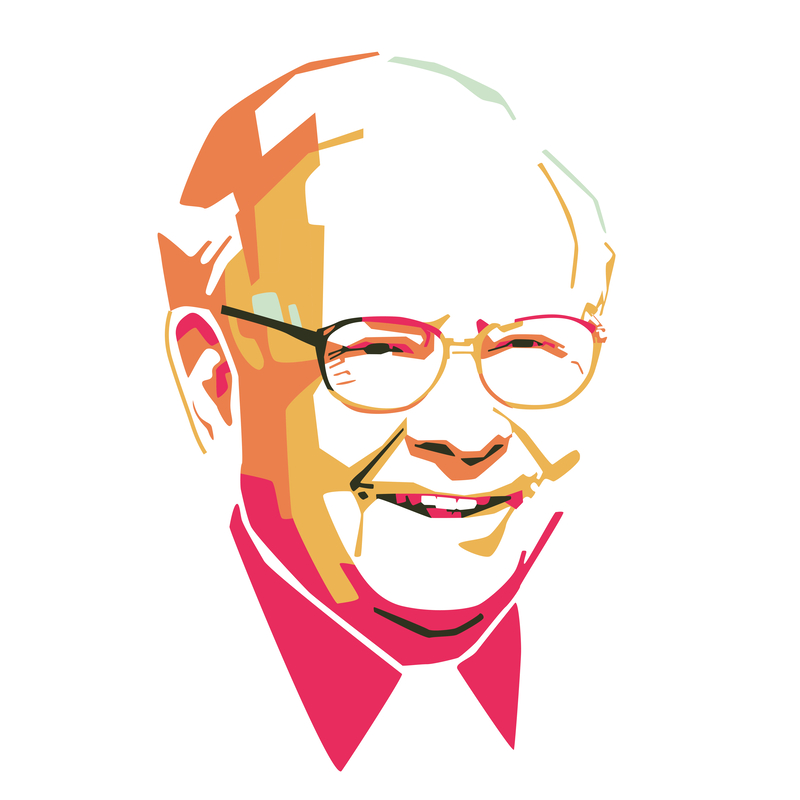
In this deep-dive exploration, we will unearth the essence of Berkshire Hathaway, its historical significance, and most importantly, its future trajectory in the complex world of investing. This extensive piece is a must-read for investors and financial analysts who aim to understand the nuances of value investing, the psychology of long-term growth, and the wisdom that reinforces the heart of Berkshire's approach.
Berkshire Hathaway | Financial Data
The Company
History of Berkshire Hathaway
The genesis of Berkshire Hathaway is one of entrepreneurial spirit and industrial ambition. Originally named Valley Falls Company, a manufacturing company in the business of textile products, it switched gears when it was acquired by Oliver Chace in 1929. Renamed Berkshire Fine Spinning Associates, the company began to concentrate on the manufacture of cotton textiles. Fast forward to 1955; Buffett Partnership, Ltd. bought enough shares to take control of the company. Initially, Berkshire was a bleak investment that Warren Buffett didn’t expect much from. However, he decided against liquidating the company and instead chose to expand its operations through mergers and acquisitions.The Buffett Era
The turning point came when Buffett believed there was more value in the company’s insurance arm, now known as GEICO. This belief was pivotal, and by 1985, Berkshire had shifted its focus completely, selling off the textile business and turning fully towards investing and operating a medley of diversified companies.The Architects of Berkshire Hathaway
Warren Buffet and Charlie Munger have been the driving forces behind the metamorphosis of Berkshire Hathaway. Buffet, often called the 'Oracle of Omaha,' has been the face of the company, best known for his value investing strategy, which lies at the core of Berkshire’s investment philosophy. Munger, Buffet's long-standing partner, is an indispensable asset, credited with injecting a nuanced approach to decision-making at Berkshire.Note: Charlie Munger passed away in November 2023
Their complementary skills and philosophies have been a major factor in Berkshire's long term success, offering a balance of caution and audacity that has led to consistently profitable decisions in an array of markets and industries.
Berkshire Officers
The current roster of Berkshire Hathaway's officers is a testament to the company's commitment to stability and depth in leadership. At the helm is Warren Buffett himself, serving as Chairman and CEO, with his unique philosophy and strategic foresight continuing to guide Berkshire's investments and acquisitions. Charlie Munger holds the position of Vice Chairman, providing invaluable advice and insights that have shaped the company’s investment decisions over the years. Ajit Jain and Greg Abel serve as Vice Chairmen of Insurance Operations and Non- Insurance Business Operations, respectively, underscoring the company's diversified interests across different sectors. Their collective expertise ensures Berkshire Hathaway remains resilient and adaptable, navigating through market fluctuations with a steady hand.Beyond the notable personalities of Buffett and Munger, Berkshire Hathaway boasts a robust management team and board of directors. Positioned under the strategic philosophy of the company’s founders, these officers play a pivotal role in executing the company’s mission and maintaining its sterling reputation.
How Berkshire Got its Name
Berkshire Hathaway's name is a fortuitous blend of its past and present. Berkshire is a county in England where a former Chace ancestor hails from and Hathaway was the name of a publicly traded Massachusetts company Buffett was eyeing at the time.The legend goes that the two names were drawn from a hat in the office, a whimsical end to a serious search for a name that would embody the company's legacy.
Berkshire Investments Over Time
A Diverse Portfolio
Berkshire Hathaway’s portfolio is one of the most diversified and valuable in the world. Ranging from the insurance giants such as GEICO and Gen Re to freight rail transportation and energy, its investments underscore a commitment to long-term growth and steady returns.
Notable acquisitions include the purchase of See’s Candies, a Californian chocolate manufacturer, in 1972, which stands as a testament to Berkshire’s ability to invest not just in economic terms, but also in brands that resonate with the public on an emotional level. This acquisition was followed by a series of savvy investments, including the purchase of Nebraska Furniture Mart and its furniture store chain in 1983, which has since become the largest home furnishing store in North America.
Another notable investment was made in 2008 when Berkshire Hathaway acquired a stake in Goldman Sachs during the financial crisis, providing much needed support to one of the largest investment banks in the world. This move showed Berkshire’s willingness to invest during difficult times and its ability to make shrewd investments even in tumultuous markets. Berkshire divested the shares in 2020
Iconic Investments
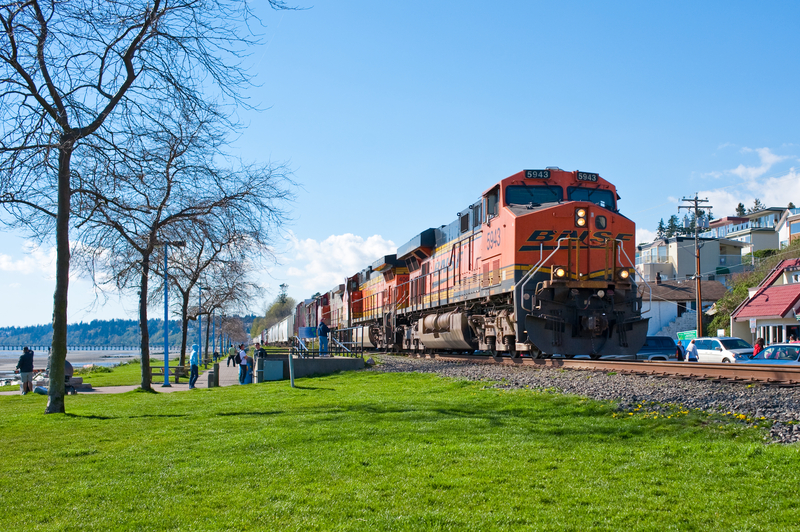
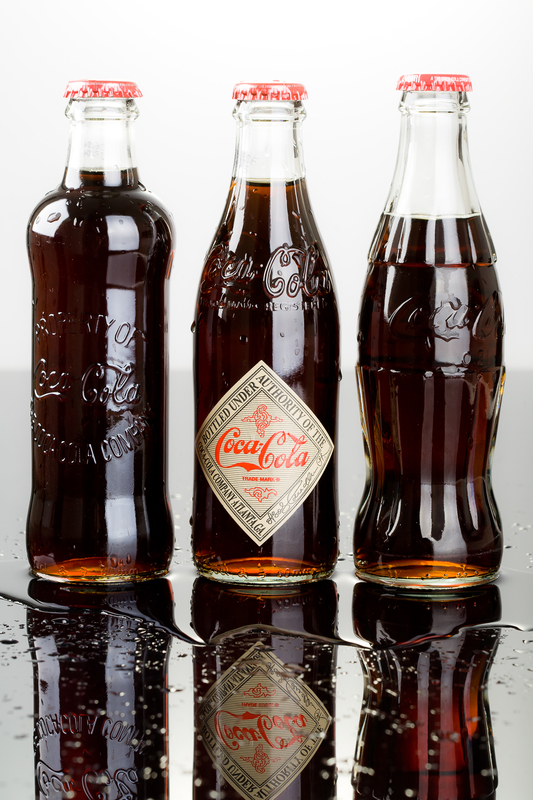
Berkshire's footprint in the transportation sector but also underscored the company's belief in the enduring value of American infrastructure. Similarly, Berkshire's significant stake in Apple Inc. reveals an adeptness for blending traditional investment wisdom with opportunities in the tech industry, highlighting a forward-looking approach while maintaining a foundation in value investing. Each of these investments demonstrates Berkshire Hathaway's unique strategy of diversification and long-term value creation, setting a standard in the investment world. Note: Berkshire sold half its stake in Apple - Q2, 2024
Philanthropy and Ethics at the Core
At the heart of Berkshire Hathaway's business model lies a strong commitment to philanthropy and ethical business practices. Warren Buffett, in particular, has pledged to donate the bulk of his fortune to charitable causes, primarily through the Gates Foundation. This gesture not only cements his legacy as one of the world's leading philanthropists but also sets a standard for corporate responsibility within Berkshire. The company is known for its adherence to ethical investing, often avoiding sectors that are contentious or environmentally harmful. Through these actions, Berkshire Hathaway not only aims to generate financial returns but also to contribute positively to society and the environment.The Art of Acquisitions
Berkshire’s acquisition process is meticulous. It typically targets companies with a strong management team, a durable competitive advantage, and good economics that protect its products from business and market cycles. Once acquired, Berkshire allows these companies to operate independently, preserving their culture while benefiting from Berkshire’s financial wherewithal and management expertise.Berkshire Performance
Weathering Economic Storms
Berkshire Hathaway's performance through economic downturns has been steadfast. The company's long-term strategy, underpinned by a patient view of investments and a diversified portfolio, has allowed it to weather the storm of economic crises, including the 2008 financial meltdown.Shareholder Value
Berkshire’s primary goal is to increase its per-share intrinsic value at a rate that surpasses the growth of the S&P 500. Historically, the company has managed to achieve this, delivering substantial returns to its loyal shareholders and thereby cementing their place amongst the most respected in the realm of value investing.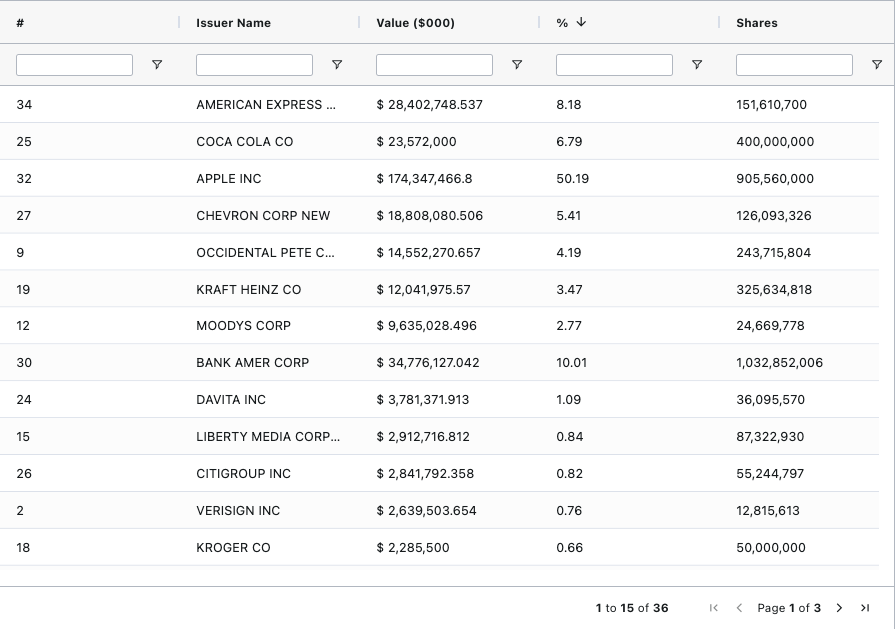
Annual Reports
Berkshire’s annual reports are eagerly awaited and devoured by investors, analysts, and business students alike. They are more than mere financial reports; they are treated as a literary masterpiece and a veritable source of investment wisdom.Buffett's letters to shareholders are known for their candid, often humorous, and usually enlightening insights, which make them a compelling read, offering both a window into the company's operations and the broader investment landscape.
Future for Berkshire Hathaway
Evolution in the Age of Disruption
Despite the generally conservative approach, Berkshire has not been immune to the winds of change and evolution. From increasing investments in technology to preparing for the post- Buffett era, the company is making strategic moves that reflect a recognition of the changing dynamics of the business world.The Next Generation
A major question looming over Berkshire’s future is the transition of leadership to the next generation. How the company will maintain its performance and identity without its two iconic leaders is a subject of great speculation. However, Buffett and Munger have been diligent in preparing their successors, suggesting a seamless transition that may surprise skeptics.Sustainability and Social Responsibility
Berkshire's approach to environmental, social, and governance (ESG) matters is evolving. With an acknowledgment that sustainability and responsible business practices are not just fads but crucial components of a business strategy, Berkshire will likely continue to incorporate these elements into its investment decisions and operational practices.Berkshire Hathaway remains an enigma, the quintessential case study for value investing. Its history is a tapestry woven with experiences and insights that have shaped its identity and prominence in the financial world.
To conclude, the story of Berkshire Hathaway is a saga of persistence, evolution, and value- driven investment. It is a beacon for investors looking for enduring principles in an increasingly volatile marketplace. Whether Berkshire Hathaway can retain its status in the 21st-century investment landscape is a question that only time can answer. However, one thing is certain; the stalwarts of this conglomerate have laid down a path deeply rooted in value, and their legacy will continue to inspire the generations of investors yet to come.