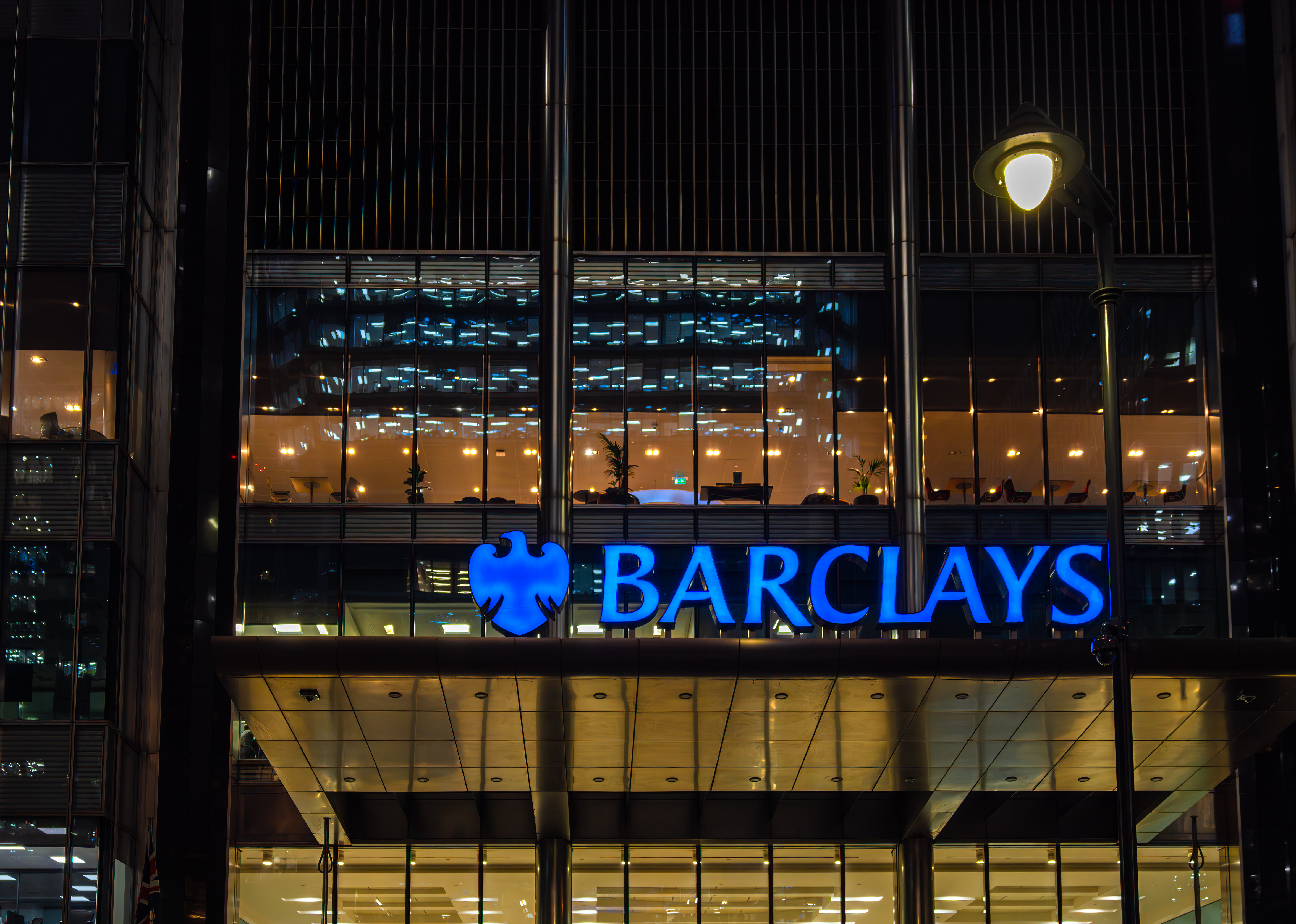
Barclays Bank stands as one of the world's most recognized and influential financial institutions, shaping banking landscapes from London to New York and beyond. Whether you are a prospective investor, a financial professional, or someone eager to understand how banking giants operate, learning about Barclays reveals much about the evolution of finance, the impact of digital innovation, and the shaping of responsible global commerce. This comprehensive overview covers Barclays' storied beginnings, financial profile, technological advances, community commitments, vital role in the global economy, and the challenges and opportunities shaping its next chapter.
Tracing the Roots The History and Overview of Barclays Bank

Founded in 1690 as a small goldsmith banking business in London, Barclays has grown into a multinational banking giant. For over three centuries, the bank has weathered wars, depressions, and immense changes in technology and society, all while maintaining a reputation for reliability and innovation.
Barclays made finance history when it opened the world’s first ATM in 1967, forever changing how people access their money. Today, the bank operates in over 40 countries, employs more than 83,000 people, and serves millions of customers, from individual account holders to megacorporations.
Key milestones in Barclays’ growth include:
- Acquiring Martins Bank in 1969, which more than doubled its branch network
- Expanding internationally across Europe, Africa, and the Americas through the 1970s and 80s
- Becoming an early adopter of mobile and online banking services in the digital age Over time, Barclays’ brand has become synonymous with stability, reliability, and a continuing drive for progress.
A Look at the Numbers Barclays IPO Finance Review and Investments
Financial Performance.
Today, Barclays is traded on the London Stock Exchange under the ticker symbol “BARC” and is part of the FTSE 100 Index. Here’s a snapshot of its recent financial profile:- Total assets (2023): Over £1.5 trillion
- Annual revenues (2023): Approximately £25 billion
- Net profit (2023): Around £8 billion
- Barclays UK (retail banking, consumer credit, business banking)
- Barclays International (investment banking, corporate banking, wealth management, cards)
Investment Strategy and Assets
- It invests in traditional banking, credit, and lending but is also a major player in fintech and digital banking.
- The bank is recognized for its prudent risk management, with strong Tier 1 capital ratios, ensuring resilience even during economic uncertainties.
Driving Digital Transformation Technology and Innovation at Barclays
Notable Innovations
- World’s First ATM introduced in 1967, which paved the way for self-service banking
- Mobile Banking App among the first to launch in the UK, now with millions of active users
- Barclays Launchpad supports the testing and rollout of digital products with feedback from real customers before broad launches
AI and Cybersecurity
Barclays actively integrates Artificial Intelligence (AI) into:- Personalized customer service via chatbots and predictive analytics
- Fraud detection and anti-money laundering, using machine learning to flag unusual patterns
- Streamlining processes within the bank to increase efficiency and reduce operational risks
Supporting the Next Wave of Innovation
Through platforms like Rise, Barclays fosters fintech startups by offering mentorship, workspace, and investment. This not only allows Barclays to stay at the edge of innovation but also directly contributes to the growth of the wider financial technology ecosystem.Making a Difference Community Involvement and Social Responsibility
- LifeSkills Program equips young people with financial literacy and employment skills
- Unreasonable Impact supports entrepreneurs who are developing scalable solutions to social and environmental challenges
- Barclays Green Bonds raise capital specifically for funding environmentally friendly projects, including renewable energy and sustainable infrastructure
The Benefits of SOX for Corporate Governance
Barclays also supports local communities through charitable giving, staff volunteering schemes, and rapid-response funds for crisis situations (like the pandemic relief fund launched in 2020).
Barclays as a Global Economic Player
Through its influential investment banking division, Barclays helps companies raise capital on global markets, manage mergers and acquisitions, and execute complex financial transactions.
Barclays is also a member of key global financial forums and complies with international standards on anti-money laundering, data security, and ethical business practices.
Overcoming Challenges and Seizing Opportunities
Regulatory and Market Risks
- The bank has been the subject of high-profile investigations, notably related to LIBOR rate-rigging.
- It navigates complex regulatory environments across multiple jurisdictions, which can present compliance challenges.
Digital Disruption and Competition
- The eruption of fintech challengers and neobanks pushes Barclays to consistently innovate.
- The shift in consumer habits—with mobile-first banking and demand for instant, transparent service—requires Barclays to stay agile.
- It invests in digital transformation, customer experience enhancement, and automation to remain competitive.
- Barclays fosters partnerships with fintech startups through accelerator programs like Techstars.
- However, this competition also presents opportunities for collaboration and learning from best practices.