Banco Santander stands as one of the world’s largest and most dynamic banks, touching millions of lives across continents. This post dives into the story behind its global footprint, its evolution in banking services, and the strategic moves propelling its growth in today’s digital-first landscape.
Tracing the Path of Banco Santander
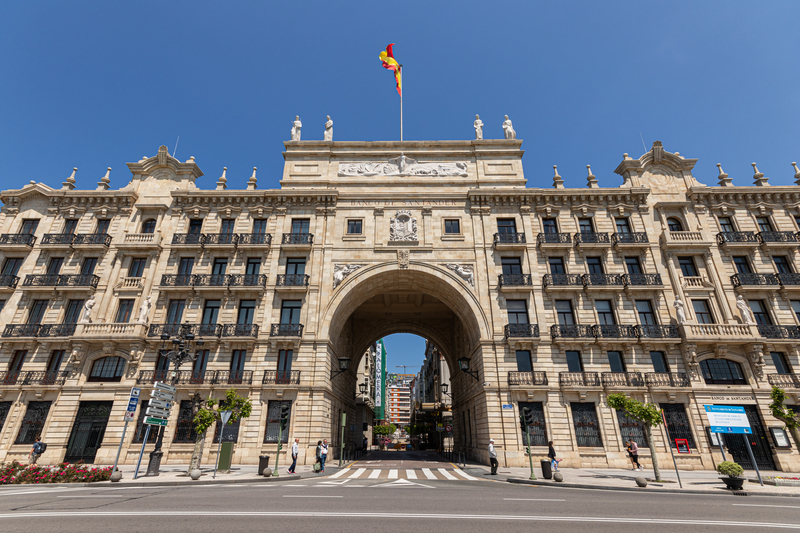
Founded in Santander, Spain, in 1857, Banco Santander began as a local commercial bank serving a port city on the northern coast. Over the decades, agile leadership steered it through Spain’s turbulent economy and ongoing regulatory shifts. The pivotal moment arrived in 1986 when the bank launched its initial public offering (IPO), providing fresh capital and signaling ambitions beyond Iberia.
Growth accelerated in the late 20th and early 21st centuries through well-executed mergers and acquisitions. Santander merged with Banco Central Hispano (BCH) in 1999, creating one of the world’s largest financial groups. The bank’s entry into Latin America, the UK, and, later, the United States cemented its role as a transcontinental player.

Key Stakeholders at Santander
Santander’s ownership structure is diverse. Institutional investors hold significant shares, while the Santander family, through various trusts, retains influence. CEO Ana Botín, who comes from a banking dynasty, currently leads the bank with a vision focused on digital innovation, inclusion, and sustainability.Who Owns UniCredit?
Despite both banks’ prominence in European finance, Banco Santander and UniCredit function independently. UniCredit, an Italian banking giant, is not owned or controlled by Santander.Services Tailored for a Diverse Client Base
Retail Banking
With a presence in over 40 countries, Santander offers everyday banking for millions. Services include savings and checking accounts, mortgages, auto loans, credit cards, and personal lending products. The bank leverages local customization, making financial solutions accessible for diverse communities, from São Paulo to Madrid to London.Corporate Banking
Santander establishes close relationships with businesses, providing working capital, project finance, international trade services, and risk management. Its strong international network supports companies working across borders, making it an essential partner for firms seeking global reach.Investment Services
Complementing core banking, Santander also delivers investment solutions including portfolio management, wealth planning, pension funds, and structured products. Through its investment arm, Santander Asset Management, the bank manages significant institutional and retail assets, ensuring tailored advisory services.Leading the Charge in Digital Transformation
Fintech Integration and Online Platforms
Santander’s digital strategy is anchored by key platforms such as Openbank, Spain’s leading online-only bank, and Superdigital, a mobile banking application tailored to Latin American markets. Their One Pay FX service exemplifies fast, low-cost cross-border payments leveraging blockchain technology.To solidify its fintech footprint, Santander established Santander Innoventures, a venture capital fund investing in startups specializing in AI, blockchain, biometrics, and open banking APIs. This ecosystem allows the bank to integrate best-in-class emerging technology into its own product suite.
Commitment to Cybersecurity
Cybersecurity remains at the core of Santander’s digital strategy, with ongoing investment in threat monitoring, fraud prevention, and blockchain-based authentication to maintain customer trust.Making a Difference in Communities
Sustainability Projects
Santander champions environmental stewardship through policies promoting green financing, energy-efficient branches, and partnerships in renewable energy sectors. The bank consistently appears in sustainability indices, underlining its carbon-neutral agenda.Financial Education and Social Initiatives
Santander invests in educational initiatives like the Santander Universities program, providing training, scholarships, and grants to thousands of students annually across Europe, the Americas, and Asia. Locally, the bank partners with nonprofits and invests in community development, from supporting affordable housing to backing small businesses.Examining Assets Under Management and Financial Performance
Key Financial Highlights
- Revenue: Over €51 billion (2022)
- Net Profit: €9.6 billion (2022)
- AUM: €427 billion managed by Santander Asset Management
Growth Strategies
Recent years have seen Santander pivot toward higher-value markets, digital platforms, and sustainable finance. Expansion in Latin America, acquisition of fintech companies, and new payment technologies allow Santander to reach unbanked populations and young, digital-native customers.Strategic Outlook for the Coming Years
- Deepen digital transformation with AI-powered customer experiences and advanced analytics.
- Expand green financing and ESG-driven investment products.
- Broaden its presence in growth markets, especially in South America and the US.
- Nurture open banking, partnering with fintechs and leveraging APIs to create new financial ecosystems.
The Role of Santander in Tomorrow’s Economy
For anyone interested in the future of finance—from investors to industry professionals and digital-first consumers—Santander’s trajectory offers a blueprint for growth, adaptability, and community impact.