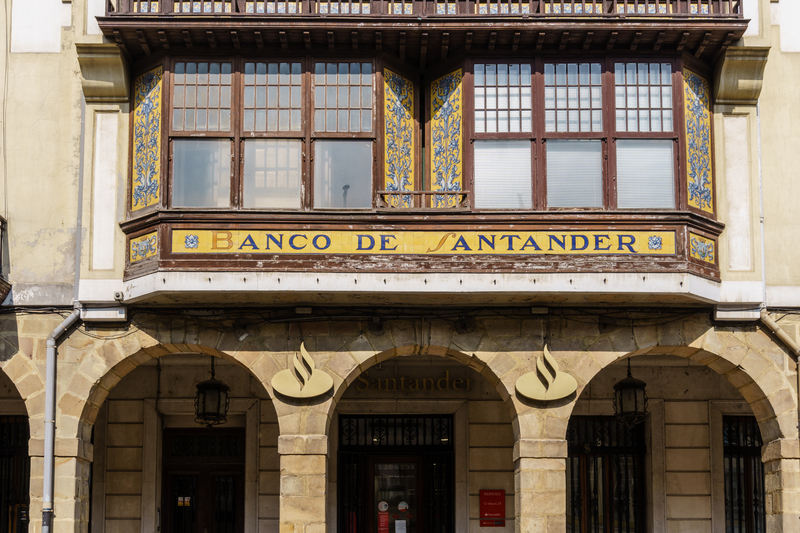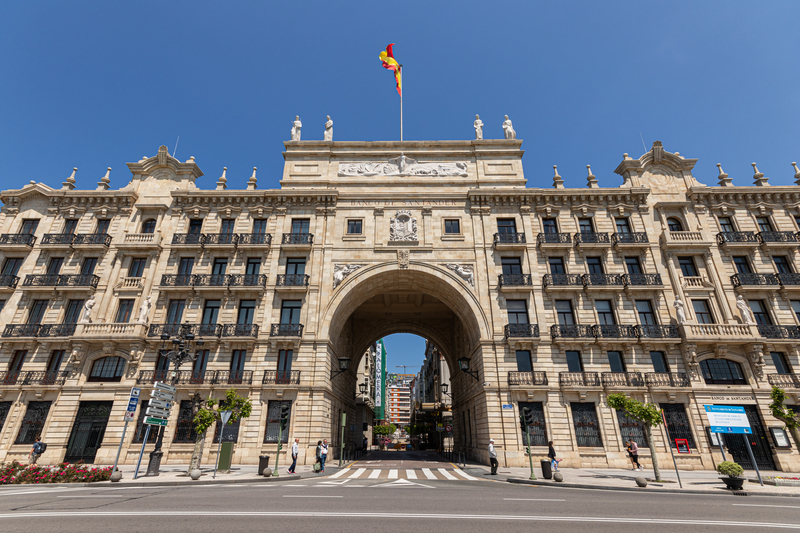
Banco Santander's transformation from a modest regional Spanish bank into one of the world's largest financial institutions represents one of banking's most remarkable success stories. Founded in 1857 in the port city of Santander, this institution has evolved through strategic international expansion, bold acquisitions, and consistent innovation to serve over 150 million customers across multiple continents.
The bank's journey spans three centuries of financial evolution, weathering economic crises, political upheavals, and technological revolutions while maintaining steady growth and expanding its global footprint. From its early days financing maritime trade in northern Spain to becoming a leading force in European and Latin American banking, Santander has consistently demonstrated adaptability and excellence.
Understanding Banco Santander's historical development provides valuable insights into successful international banking expansion, strategic acquisition management, and the critical importance of diversified geographic presence in modern financial services. The bank's ability to maintain profitability through diverse economic cycles while building sustainable competitive advantages offers lessons for financial management.
Santander’s ownership structure is diverse. Institutional investors hold significant shares, while the Santander family, through various trusts, retains influence. CEO Ana Botín, who comes from a banking dynasty, currently leads the bank with a vision focused on digital innovation, inclusion, and sustainability.
Origins in Maritime Commerce
Regional Banking Leadership
National Expansion and Adaptation (1900s-1950s)

Strategic Geographic Expansion
Navigating Political and Economic Challenges
Internationalization and Modernization (1950s-1990s)
First International Ventures

Latin American Market Entry
Technological Innovation and Modernization
Global Banking Powerhouse (1990s-2000s)
Major International Acquisitions
Brand Development and Corporate Culture